Cyber risk used to mean simple malware, obvious phishing emails, and a firewall that mostly did its job. That world is gone. Businesses now face attacks that move faster, hide better, and target people as much as systems. Even small companies can be hit with the same tactics once reserved for large enterprises, since automation has lowered the cost of attacking at scale.
The impact has changed, too. Cyber incidents now disrupt operations, damage customer trust, trigger legal obligations, and create real financial loss through downtime and recovery costs. Understanding how cyber risks are evolving helps you make smarter decisions about prevention, response, and investment.

Threats Are Faster, Smarter, and More Automated
Attackers no longer need weeks to probe a network. Automated scanning tools can find exposed services in minutes, then launch attacks at speed. Ransomware crews use “ransomware-as-a-service” models that let affiliates run attacks even without deep technical skills. Phishing kits, stolen credentials, and pre-built exploits make the entry cost low.
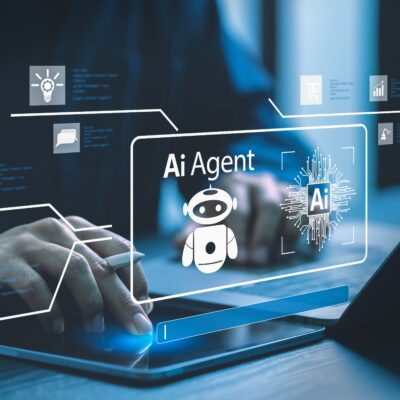
Artificial intelligence has added another layer of pressure. AI can generate convincing messages, adapt social engineering scripts, and help attackers test variations quickly. Deepfake audio and video can support fraud attempts, especially against finance and executive teams.
This is why many businesses are exploring intelligent AI cybersecurity solutions for organizations to detect patterns faster, surface unusual behaviour, and respond at machine speed. The goal is to reduce the gap between intrusion and detection, since that gap often decides the damage level.
Identity Has Become the New Perimeter
Many businesses now operate with cloud platforms, remote staff, and third-party apps. Traditional network boundaries matter less, while identity and access control matter more. If an attacker steals a login, they may not need to “hack” anything else.
Credential theft happens through phishing, malware, data breaches, and password reuse. Once an attacker has access to an email inbox or single sign-on account, they can pivot into shared drives, internal chat tools, and financial systems.
Supply Chain and Vendor Risk Keep Growing
Your security is tied to the tools and providers you rely on. Businesses use dozens of SaaS platforms, agencies, payment tools, marketing plugins, and managed service providers. If a vendor is breached, your data or operations can be affected even if your internal systems are strong.
This risk shows up in many ways. A compromised vendor account may be used to send believable phishing messages. A vulnerable plugin may expose your website. A service outage may halt your workflows. In some cases, attackers deliberately target smaller vendors as a path into larger clients.
Ransomware Is Now a Business Disruption Strategy
Ransomware has shifted from simple file encryption to full-scale extortion. Many groups steal data first, then threaten to leak it if you refuse to pay. That creates legal, reputational, and customer trust issues beyond the immediate downtime.
Attackers often hit backups, disable security tools, and target critical infrastructure like domain controllers and email servers. The goal is to increase pressure and reduce your options. Some incidents do not end when systems come back online, since data exposure can trigger long-term consequences.
Human Risk Is Still the Biggest Weak Point
Even with strong tools, human decisions remain a core risk factor. People click links, reuse passwords, approve access requests, and share information without meaning harm. Attackers know this, so they focus on realism and timing.
Business email compromise is a common example. A single fake invoice, a changed bank account detail, or a “quick approval” request can lead to large losses. The most dangerous scams are simple and believable, not technically complex.
Regulations and Customer Expectations Are Rising
Cyber risk is no longer just an IT problem. It is a governance and trust problem. Regulations increasingly require breach reporting, data handling standards, and reasonable security measures. Customers also expect businesses to protect personal data and keep services available.
Even if your business is not legally required to meet a specific framework, your partners might be. That can lead to security questionnaires, contract clauses, and compliance expectations that influence your ability to win deals.
What Businesses Should Do Next
The best approach is layered. Start by identifying your most important assets, such as customer data, payment systems, and operational tools. Then focus on controls that reduce the most likely threats.
Prioritise multi-factor authentication, patching, backup resilience, endpoint protection, and employee training tied to real scenarios. Improve visibility through logging and monitoring, so you can detect unusual activity quickly. Create an incident response plan that includes who does what, how you communicate, and how you recover.

Cyber risks are evolving through automation, identity-based attacks, vendor exposure, and increasingly disruptive ransomware tactics. For businesses, this means security must shift from a background task to an operational priority.
Strong identity controls, resilient backups, vendor management, and practical training reduce both likelihood and impact. When you combine those foundations with rapid detection and response capabilities, your business is better positioned to withstand modern threats and keep operating with confidence.