Digital content is growing at an unprecedented rate, and video has become the dominant format for marketing, training, customer engagement, and brand storytelling. However, as organizations produce more video content, managing these assets efficiently becomes a challenge. Without proper systems, teams often struggle with scattered files, version confusion, and wasted time searching for content.
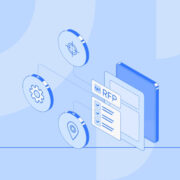
This is where a professional video asset management strategy combined with a well-structured DAM Request for Proposal (RFP) becomes essential. Together, they help businesses organize digital content, improve collaboration, and ensure long-term scalability.
What Is a Video Asset Manager?
Managing video content requires more than simple cloud storage. Organizations need systems that allow indexing, tagging, secure storage, and quick distribution of video files. A Video Asset Manager provides a centralized platform to store, categorize, search, edit, and distribute video assets efficiently.
Such platforms typically include advanced metadata tagging, version control, analytics tracking, and automated workflows. These capabilities ensure that teams can easily locate the right content while maintaining consistency across marketing campaigns and communications.
Why Video Asset Management Matters Today
Growing Video Content Demand
From social media marketing to corporate communication, video content demand continues to rise. Companies that manage video assets properly gain a competitive advantage.
Improved Team Productivity
Centralized storage eliminates duplication, confusion, and wasted time searching for files.
Brand Consistency
Using approved and updated assets ensures consistent messaging across all platforms.
Better Security & Compliance
Modern systems include permissions, encryption, and compliance controls to protect valuable content.
Understanding DAM and Its Role in Digital Strategy
Digital Asset Management (DAM) systems go beyond videos. They include images, documents, audio files, design assets, and other digital content. DAM platforms provide structured workflows, version control, collaboration tools, and performance tracking.
When implemented correctly, DAM helps organizations:
- Maintain organized digital libraries
- Improve workflow efficiency
- Enhance marketing productivity
- Ensure content compliance and governance
The Importance of a Request for Proposal for DAM
Before selecting a DAM solution, companies often create a Request for Proposal for DAM. This document clearly outlines business needs, technical requirements, budget expectations, and workflow considerations to help vendors provide suitable solutions.
Preparing a comprehensive RFP ensures better vendor comparison, clearer expectations, and reduced risk during implementation.
Key Elements of a Strong DAM RFP
Business Goals and Objectives
Clearly define why you need a DAM system — marketing efficiency, brand consistency, or improved collaboration.
Technical Requirements
Include storage capacity, integration needs, security standards, and scalability expectations.
Workflow Processes
Outline how assets will be created, approved, distributed, and archived.
Budget and Timeline
Providing financial parameters helps vendors propose realistic solutions.
Evaluation Criteria
Consider usability, customer support, performance, and flexibility.
Features to Look for in Video Asset Management Solutions
Centralized Media Library
Allows easy access to all video content from one location.
AI-Driven Metadata Tagging
Speeds up organization and improves searchability.
Automated Workflows
Streamlines approvals, publishing, and distribution.
Analytics & Reporting
Helps track engagement, usage patterns, and ROI.
Integration Capabilities
Compatibility with CMS platforms, marketing tools, and editing software is essential.
Best Practices for Implementation
Audit Existing Assets
Identify what content you already have and how it’s being used.
Establish Clear Governance
Define ownership, permissions, and approval workflows.
Train Teams Properly
Ensure employees understand how to use the system effectively.
Monitor Performance Metrics
Track usage, engagement, and workflow improvements.
Future Trends in Video Asset Management
As technology evolves, asset management systems are becoming smarter. Emerging trends include:
- AI-powered content recognition
- Automated video optimization
- Cloud-first collaboration tools
- Personalized content delivery
- Advanced analytics dashboards
Organizations adopting these innovations early are better positioned for digital growth.
Final Thoughts
The rapid growth of digital video content makes structured asset management essential rather than optional. A reliable video asset management system ensures efficiency, consistency, and security, while a well-prepared DAM RFP helps organizations select the right platform without costly mistakes.
Businesses that invest in proper asset management today position themselves for stronger branding, smoother workflows, and long-term digital success.