Energy-efficient lighting has become a top priority for businesses worldwide, with commercial operators facing mounting pressure to reduce energy costs while maintaining the visual impact their spaces demand. Yet for many procurement managers and business owners, finding the right LED solution feels like navigating a maze of technical jargon, conflicting specifications, and unclear environmental claims.
The challenge is particularly acute when it comes to 5050 LEDs. These versatile components power everything from large-format advertising displays to architectural accent lighting, and commercial buyers need them to deliver exceptional brightness without compromising on sustainability. Sorting through countless suppliers and product claims to find LEDs that genuinely meet both performance and environmental standards is no small task.
This guide cuts through the complexity. Whether you’re outfitting a retail environment, upgrading signage, or specifying lighting for a large commercial installation, you’ll find a clear, practical framework for making confident purchasing decisions. From understanding SMD LED technology and evaluating brightness metrics to verifying environmental certifications and assessing long-life performance, every key consideration is covered. By the end, you’ll have the knowledge to select 5050 LEDs that deliver lasting value for your business and a lighter footprint for the planet.
Understanding 5050 LEDs: Basics and Commercial Applications
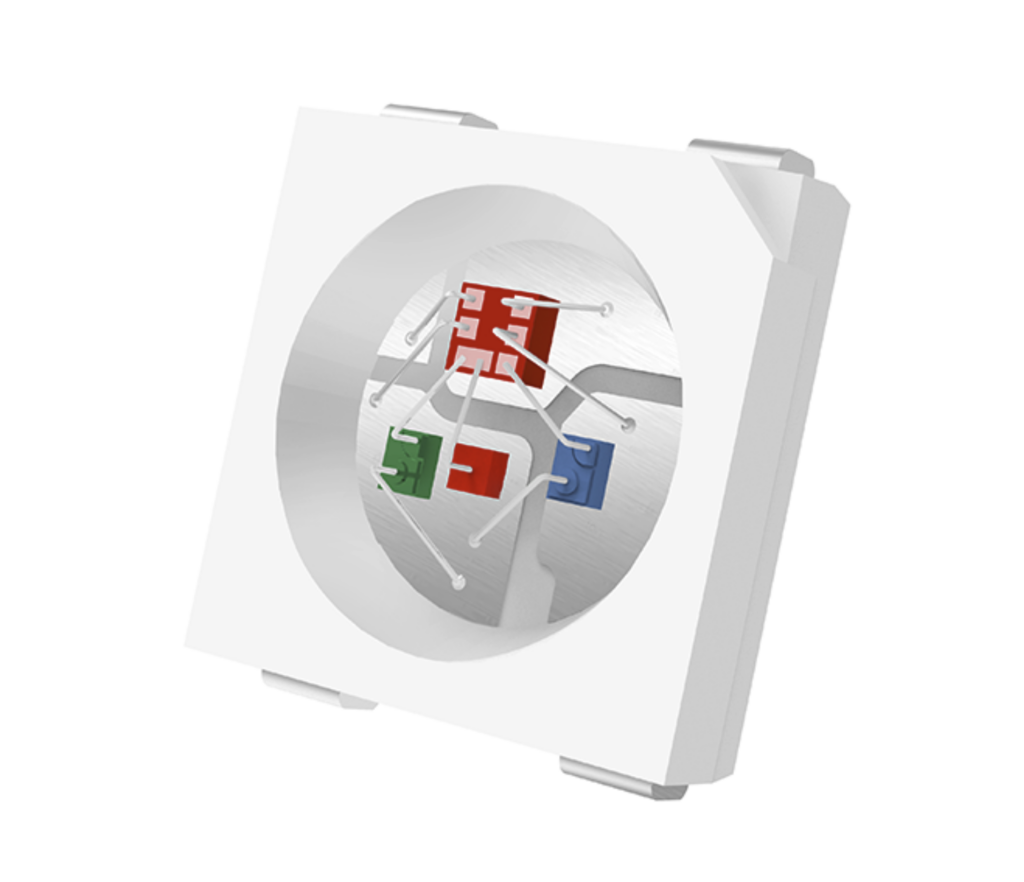
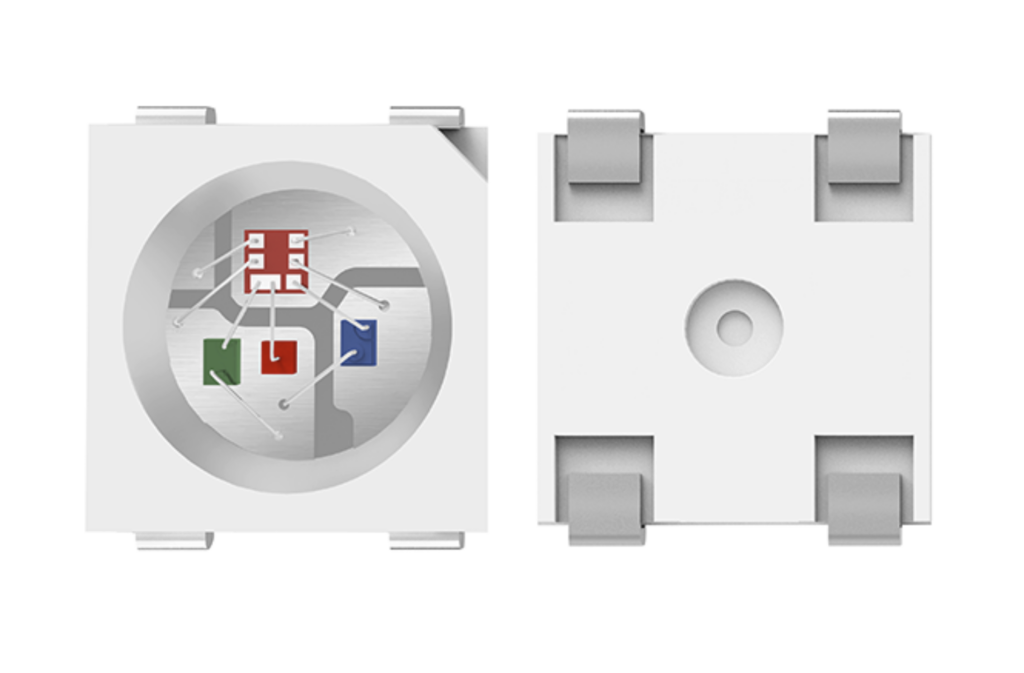
The “5050” designation refers to the physical dimensions of the LED chip package: 5.0mm × 5.0mm. Within that compact footprint, each unit houses three separate diode chips, which is what sets it apart from smaller single-chip alternatives like the 3528. This triple-chip configuration allows a single component to produce significantly more light output while maintaining a manageable form factor, making it a workhorse across a wide range of commercial lighting applications.
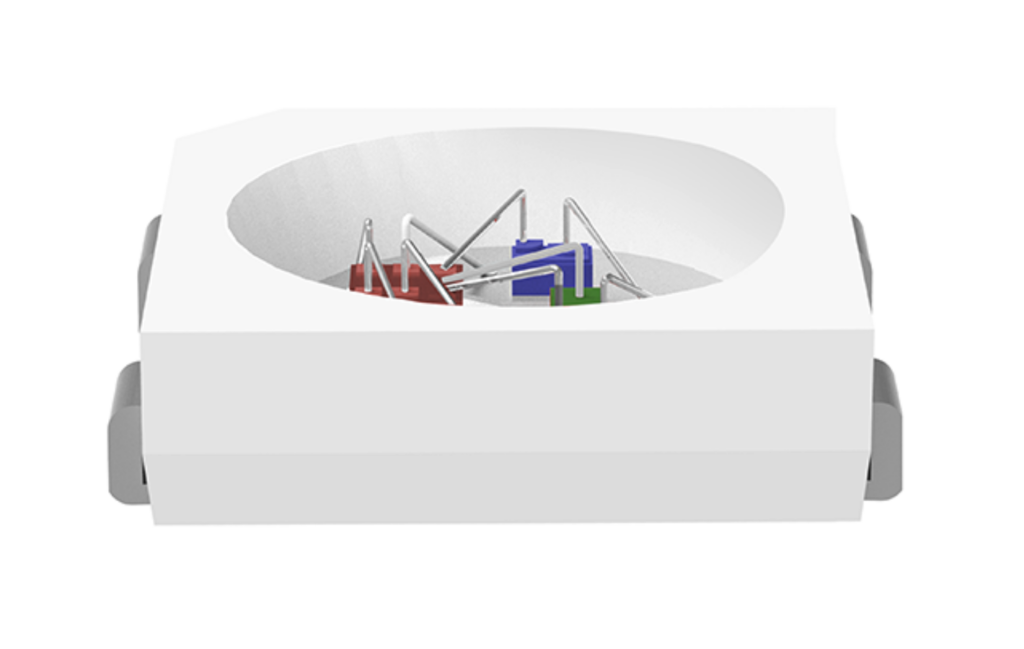
In practice, you’ll find 5050 LEDs driving LED strip lighting in retail displays, powering the backlights of large-format advertising boards, and providing the color-changing effects in architectural accent installations. Their ability to house red, green, and blue chips within a single package also makes them the go-to choice for full-color RGB displays where precise color mixing is essential. Hotel lobbies, shopping centers, and entertainment venues all rely on this versatility.
At the heart of 5050 performance is Surface Mount Device (SMD) technology. Unlike older through-hole LEDs, SMD components are soldered directly onto a circuit board surface, enabling denser layouts, better heat dissipation, and more streamlined manufacturing. For commercial buyers, this translates to thinner, lighter fixtures that are easier to install and maintain. SMD construction also supports tighter quality control during production, which matters when you’re procuring LEDs at scale and need consistent performance across thousands of units. For businesses prioritizing both reliability and design flexibility, 5050 SMD LEDs represent a proven, adaptable foundation.
The Importance of High Brightness LEDs in Commercial Displays
In commercial environments, lighting isn’t just functional—it’s a direct driver of customer engagement and revenue. An advertising board that washes out under ambient sunlight, or retail signage that looks dim against competing visual elements, simply fails to do its job. This is why high brightness performance sits at the top of the priority list for commercial display applications. Whether you’re running an outdoor billboard, an indoor retail feature wall, or a large-format menu display, the LED’s ability to deliver consistent, punchy luminance determines whether the installation succeeds or becomes an expensive disappointment.
5050 LEDs achieve their brightness advantage through the triple-chip architecture described earlier. With three diode chips packed into a single 5.0mm × 5.0mm package, these components can generate substantially higher lumen output than single-chip alternatives without requiring a larger footprint. Advanced phosphor coatings and improved chip materials have pushed modern 5050 units even further, with quality commercial-grade components now capable of delivering outputs that make them viable for high-ambient-light environments where lesser LEDs struggle.
When evaluating brightness specifications, two metrics deserve particular attention. Lumens measure total light output—the raw quantity of light a component produces—and serve as your primary comparison point across products. Color Rendering Index (CRI) measures how accurately the light source renders colors relative to natural daylight, scored on a scale of 0 to 100. For retail and display applications, a CRI of 90 or above is generally recommended, as it ensures merchandise and graphics appear true-to-life rather than washed out or distorted.
How to Assess Brightness Levels and Performance
Start by requesting photometric data sheets from suppliers rather than relying on headline lumen claims. Verify that quoted lumen figures are measured at the component level under standardized test conditions, not inflated system-level estimates. Next, examine the viewing angle specification—5050 LEDs typically offer a 120-degree beam angle, but tighter or wider variants exist, and matching this to your display geometry directly affects perceived brightness at the viewer’s position. Factor in power consumption alongside lumen output to calculate luminous efficacy (lumens per watt), which tells you how efficiently the LED converts electricity into visible light. Finally, where possible, request sample units and test them in conditions that replicate your actual installation environment, including ambient light levels and operating temperatures, before committing to a large procurement order.
Ensuring Environmental Compliance with LED Purchases
Environmental compliance has moved from a nice-to-have to a business imperative. Regulatory frameworks across North America, Europe, and Asia-Pacific are tightening restrictions on hazardous materials in electronic components, and procurement teams that ignore these requirements risk costly product recalls, import rejections, and reputational damage. For commercial buyers sourcing 5050 LEDs at scale, understanding which standards apply and how to verify compliance is as important as evaluating brightness or pricing.
The most fundamental standard to check is RoHS (Restriction of Hazardous Substances), which prohibits the use of lead, mercury, cadmium, and several other toxic materials in electronic components sold in the European Union and many other markets. Any 5050 LED destined for commercial use should carry documented RoHS compliance. Beyond RoHS, Energy Star certification signals that a product meets strict energy efficiency thresholds set by the U.S. Environmental Protection Agency, providing assurance that the LEDs you purchase will deliver measurable reductions in electricity consumption over their operational life. Reduced energy draw directly translates to a lower carbon footprint—a factor that increasingly influences procurement decisions for businesses with published sustainability targets.
Long-life LEDs amplify these environmental benefits considerably. A component rated for 50,000 hours or more generates far less electronic waste than shorter-lived alternatives that require frequent replacement. Suppliers such as HQG OPTO, which specialize in LED lamp beads and prioritize RoHS-compliant manufacturing, illustrate how longevity and environmental responsibility can be built into the product from the ground up. When you factor in reduced packaging, fewer shipping cycles, and lower disposal costs, the lifecycle environmental advantage of durable, environmentally friendly LEDs becomes substantial. This longevity also strengthens brand reputation: customers and partners increasingly scrutinize the sustainability practices of businesses they work with, and demonstrating responsible procurement choices is a tangible differentiator.
Key Certifications and Standards to Look For
When reviewing supplier documentation, prioritize four certifications. RoHS compliance is non-negotiable for most commercial markets. DesignLights Consortium (DLC) listing confirms that LED products meet performance and efficiency benchmarks recognized by utility rebate programs across North America, which can offset procurement costs. ISO 14001 certification for a supplier’s manufacturing facility indicates that their environmental management systems meet internationally recognized standards—a meaningful signal about production practices, not just the finished product. Finally, look for REACH compliance documentation, which addresses chemical safety requirements under EU regulations and is particularly relevant for buyers supplying European markets. To verify these certifications, request copies of third-party test reports rather than accepting self-declarations, cross-reference DLC listings against the official online database, and confirm that certification dates are current. Recyclability is a further consideration: ask suppliers whether their 5050 LED products use materials compatible with standard e-waste recycling streams, and whether they offer take-back programs for end-of-life components.
Evaluating Key Features: SMD Technology, Brightness, Eco-Friendliness, and Longevity
Selecting the right 5050 LED means understanding how four core attributes work together rather than treating them as isolated checkboxes. SMD technology forms the structural foundation. By mounting chips directly onto the circuit board surface, SMD construction delivers a compact, low-profile form factor that simplifies installation in tight commercial spaces while enabling superior heat dissipation compared to older through-hole designs. Better thermal management directly protects chip integrity, which underpins every other performance metric.
Brightness determines whether your installation achieves its commercial purpose. High brightness 5050 LEDs leverage the triple-chip architecture to produce lumen outputs that single-chip alternatives simply cannot match within the same footprint. This matters most in high-ambient-light environments—outdoor signage, sun-exposed retail windows, large-format displays—where inadequate luminance renders an installation ineffective regardless of its other qualities.
Eco-friendliness addresses both regulatory compliance and operational responsibility. Environmentally friendly LEDs eliminate hazardous substances, meet recognized energy efficiency standards, and reduce the carbon impact of your lighting infrastructure. This isn’t purely altruistic: compliant products protect procurement teams from import rejections and legal exposure while supporting corporate sustainability commitments that stakeholders increasingly expect.
Longevity ties everything together. A long-life LED rated at 50,000 hours or beyond reduces replacement frequency, cuts maintenance labor costs, and generates significantly less electronic waste over time. Critically, longevity depends on the quality of SMD construction and thermal management—meaning all four features reinforce each other. Compromising on any one of them tends to degrade the others, making a holistic evaluation approach essential for commercial buyers who need reliable performance over multi-year deployment cycles.
Step-by-Step Guide to Selecting Environmentally Friendly 5050 LEDs
Translating technical knowledge into a confident purchasing decision requires a structured approach. Follow these six steps to move from initial requirements through to procurement and beyond.
Step 1: Define your application requirements. Start by documenting the specifics of your installation—display type, indoor or outdoor location, ambient light conditions, and mounting constraints. An outdoor advertising board in direct sunlight demands different specifications than an indoor retail accent installation. Clarity here prevents costly mismatches downstream.
Step 2: Evaluate brightness and color consistency. Using the luminous efficacy framework covered earlier, shortlist 5050 LEDs that meet your minimum lumen output threshold for the application. For retail and display environments, confirm a CRI of 90 or above. Request photometric data sheets and verify that specifications are independently tested rather than manufacturer-estimated.
Step 3: Check environmental certifications. Confirm RoHS compliance as a baseline, then look for Energy Star or DLC listing depending on your market. For European deployments, verify REACH documentation. Request third-party test reports rather than self-declarations, and cross-check DLC listings against the official online database.
Step 4: Assess lifespan, warranty, and maintenance requirements. Prioritize long-life LEDs rated at 50,000 hours or more. Review warranty terms carefully—a meaningful warranty covers both component failure and lumen depreciation over time. Factor in maintenance access costs for your specific installation geometry, since hard-to-reach fixtures amplify the value of durable components. LED lamp bead specialists like HQG OPTO often publish detailed lifespan and lumen maintenance data that can make this comparison more straightforward.
Step 5: Compare suppliers and calculate total cost of ownership. Look beyond unit pricing. Factor in energy consumption over the expected deployment period, projected replacement frequency, labor costs for maintenance, and disposal expenses. Read verified customer reviews from comparable commercial deployments, and request references from suppliers for installations similar to yours in scale and application.
Step 6: Plan for installation and end-of-life disposal. Confirm that your chosen 5050 LEDs are compatible with existing drivers and control systems before finalizing the order. Establish a disposal plan aligned with local e-waste regulations, and ask suppliers whether take-back programs are available for end-of-life components.
Implementing Solutions for Commercial Success
Once your selected LEDs are installed, ongoing management determines whether you realize their full potential. Establish a baseline performance record at commissioning—document lumen output and power draw so you have a reference point for future comparisons. Schedule periodic photometric checks, particularly for high-traffic display installations where early lumen depreciation can erode commercial impact before it becomes visually obvious. Integrate your LED assets into a maintenance management system that tracks installation dates and projected service intervals, enabling proactive replacements rather than reactive ones. For multi-site operations, centralize certification records and supplier documentation so compliance verification remains straightforward during audits or regulatory reviews. Finally, revisit your supplier relationships annually—LED technology continues to advance, and periodic benchmarking ensures your procurement standards keep pace with improvements in efficiency, brightness, and environmental performance.
Making Smarter, Greener LED Procurement Decisions
Selecting the right 5050 LEDs for commercial use doesn’t have to be overwhelming. This guide has walked through the essential considerations that separate a sound procurement decision from an expensive mistake: understanding how SMD technology underpins compact, reliable construction; recognizing why high brightness metrics like lumens and CRI determine real-world display effectiveness; verifying environmental certifications such as RoHS, Energy Star, and DLC to protect your business from regulatory risk; and prioritizing long-life components that reduce maintenance burdens and electronic waste over multi-year deployments.
These features don’t operate in isolation. The best 5050 LEDs deliver all four qualities together, and the six-step selection framework in this guide gives you a repeatable process for evaluating them systematically—from defining application requirements through to planning end-of-life disposal. Applying this approach consistently across procurement decisions means fewer surprises during installation, lower total cost of ownership, and a lighting infrastructure that genuinely supports your sustainability commitments.
For commercial buyers, the long-term payoff is clear: reduced energy bills, fewer replacement cycles, stronger compliance posture, and lighting that performs reliably across demanding environments. Businesses that invest the time to evaluate 5050 LEDs rigorously position themselves for lasting operational and reputational advantage. Use this guide as your reference point every time LED procurement is on the agenda.