There are specific kinds of expenses that you will never find in startup pitch decks, but they eventually add up.
A creative studio could be shooting an influencer and the video ends up flatter than expected. A testimonial is filmed with a customer who simply does not look engaged. An employee training video is recorded, but the presenter reads it out like a manual.
Then comes the redo.
Schedules have to be changed, another reshoot has to be planned, the cast has to be called back, crews have to be booked again, and everyone hopes the next take comes out better.
For startups, this cycle can be expensive.
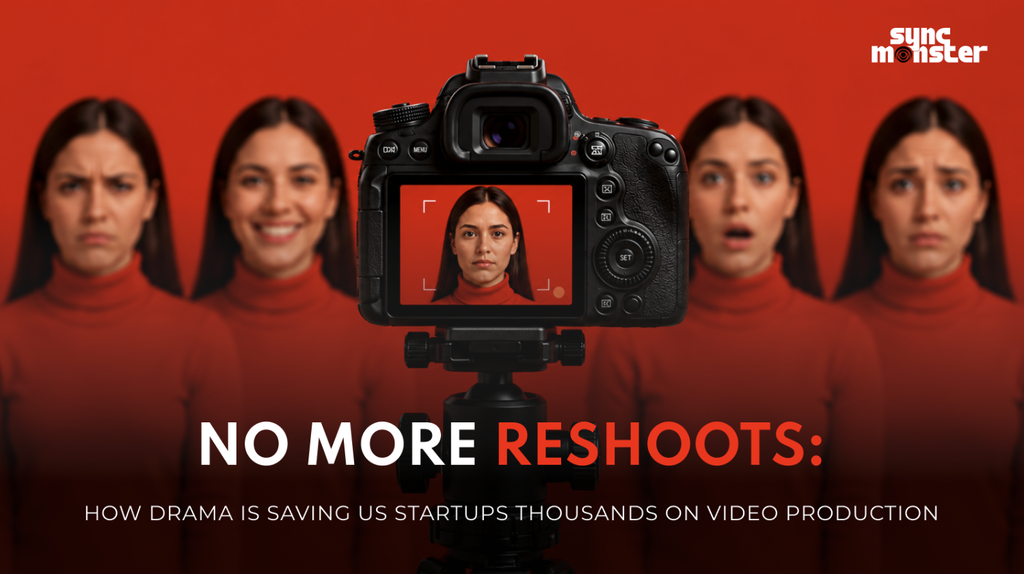
The Real Cost of a Reshoot
It is not just about the studio costs, camera setups, or production bills.
It is about how much time you are willing to lose on the same shot. It is about how much of your carefully planned calendar you are willing to put on hold. It is also about everything else your team could have been working on while trying to fix the same piece of content.
By 2026, a growing number of startups have started looking for ways to solve this problem by using AI to edit emotions after production, instead of relying on repeated takes for poor emotional delivery.
The important part is not just knowing where the problem lies. It is having a practical way to fix it.
When the Problem Is the Performance, Not the Video
Sometimes, nothing is actually wrong with the video. The framing is right. The lighting is right. The script works. The audio is clear.
But the actor’s delivery does not match the script. The tone can change everything.
A message that is supposed to feel warm can end up feeling cold. A testimonial that should feel excited can come across as flat. A training video can be technically correct but lack the energy needed to keep people engaged.
This is not simply an issue of aesthetics. It can affect whether the content actually achieves its purpose.
If personalized outreach is delivered in a stiff or mismatched way, the idea of personalization itself starts to feel less convincing.
Finding a way to fix the existing footage is very different from regenerating or recreating the entire piece.
Why Regenerating Content Is Not Always the Answer
Regenerating a video may sound like the easiest solution, but it comes with its own problems.
You can generate a completely different output, but there is no guarantee that the new version will be more convincing than the original.
The cycle can simply repeat. Generate. Review. Regenerate. Review again. Instead of spending studio hours, you are spending generation credits.
For businesses working with limited budgets, that can become expensive too.
The goal should not always be to create something new. Sometimes, the better solution is to improve what you already have.
The Shift: Editing Expression Instead of Creating an Entirely New Shot
A small but growing category of AI tools is changing how creators approach this problem.
Instead of generating an entirely new video or going through another reshoot, these tools allow creators to adjust how a person looks and reacts within footage that has already been recorded.
This approach can reduce the need for calendar changes, additional production costs, and repeated generation attempts.
DRAMA: Editing Existing Footage
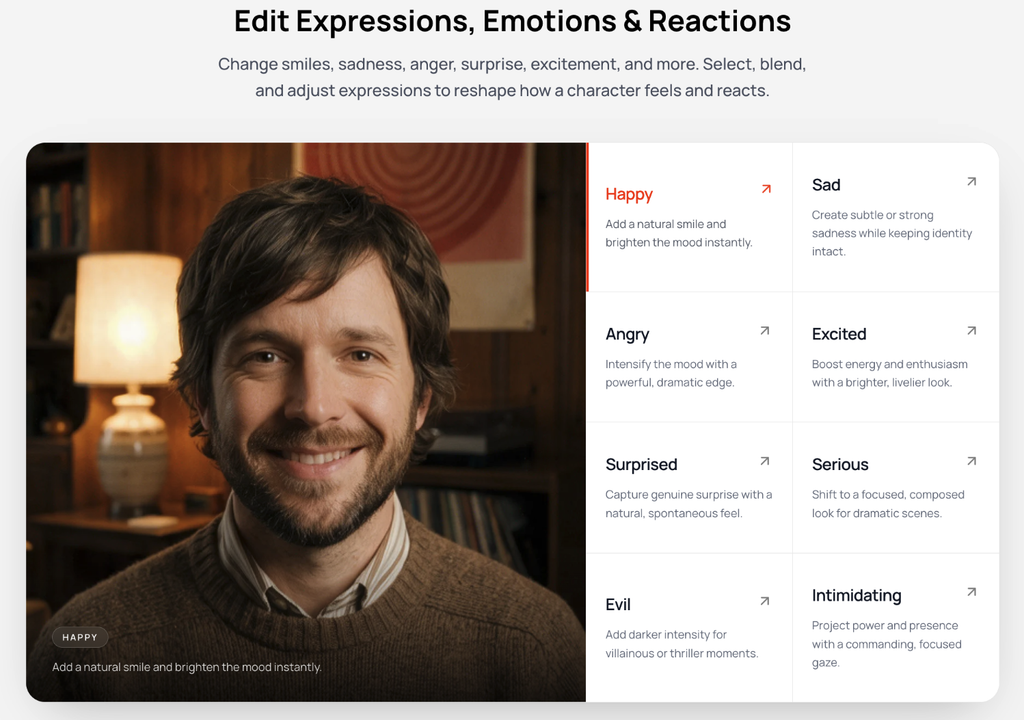
SyncMonster’s AI Expression Editor, DRAMA, is one example of this approach in 2026.
Rather than requiring a new recording or generating an entirely new video, DRAMA works with existing images and videos.
Creators can edit their existing footage and adjust the intensity of emotions within a scene.
DRAMA includes four core emotions: Happy, Sad, Angry, and Excited, along with additional presets such as Evil and Surprised.
Each expression comes with an intensity control, allowing users to adjust the strength of the emotion and find a result that feels right for the scene.
Why This Matters More for Startups
There is a reason this type of technology is particularly interesting for startups.
A reshoot can bring coordination time, equipment costs, studio expenses, crew costs, and scheduling problems.
Regenerating an AI video comes with a different problem. You may simply end up spending more credits without getting a better result.
Editing an existing video offers another option.
Every time a flat take can be fixed instead of completely redone, a business saves real time and real money. Over months, those savings can mean more content produced with the same budget.
For startups that need to create content frequently, that difference can add up quickly.
Changing the Expression Without Changing the Video
One of the key capabilities of DRAMA as an AI facial expression changer is its focus on changing the expression while keeping the rest of the video intact.
The lighting, framing, sound, and other elements of the footage remain unchanged.
Users can also select the person they want to edit, even when multiple people appear in the same video.
For example, if one panelist looks disengaged toward the end of a recording, their expression can be adjusted without changing the expressions of the other people in the scene.
That means one person’s performance can be refined independently, without requiring everyone else to be recorded again.
The Bottom Line
Reshoots have always been used to improve the quality of a performance. But they come with a cost in time, money, and coordination.
AI expression editing introduces another option.
With tools such as DRAMA, businesses can make targeted changes to existing footage instead of automatically starting the production process again.
For startups, this can mean fewer reshoots, lower production costs, and more flexibility in how often they can create and distribute video content.
AI video tools are becoming increasingly practical for businesses, and expression editing is one example of how AI can improve content that has already been created instead of simply generating more content from scratch.
Try it for yourself at Trydrama.io.