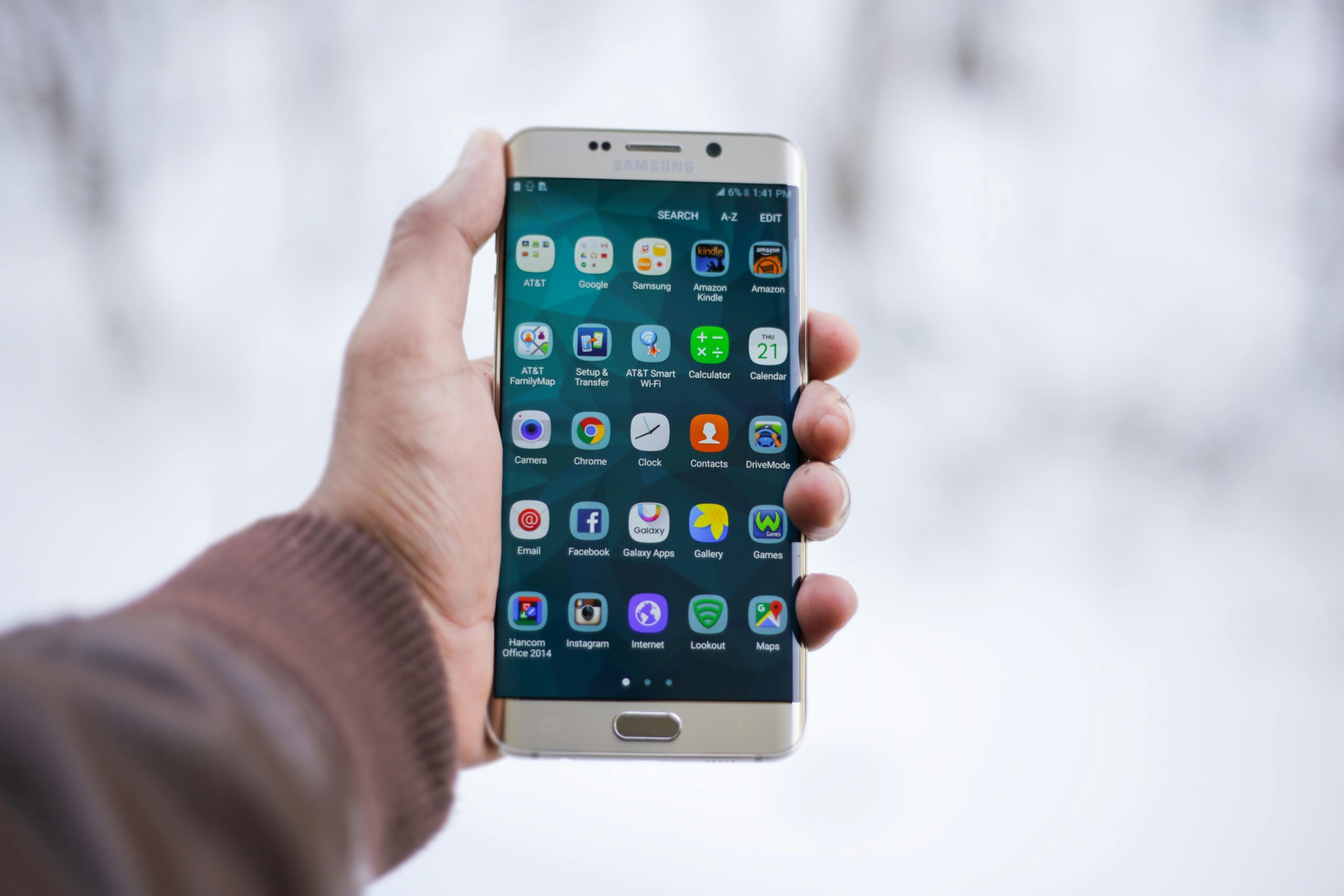
Android powers over 3.9 billion active devices worldwide. That scale alone makes it the most important mobile platform on earth. But raw numbers don’t tell the full story. What truly sets Android apart is something harder to measure – the freedom it hands to users and developers alike.
Why Android’s Open Model Matters
Google built Android on a foundation of openness. Unlike its main competitor, Android allows sideloading – installing apps from outside the official store. This single decision changed everything.
Third-party app distribution platforms thrive because of it. Stores like F-Droid, Amazon Appstore, and APKMirror exist precisely because Android doesn’t lock users into one channel. That’s user freedom, in a practical and immediate sense.
The Rise of Third-Party App Stores
Not every developer wants to comply with Google Play’s policies. Some can’t. Others simply prefer alternatives.
F-Droid, for instance, hosts only free and open-source software. It serves privacy-focused users who distrust ad-driven apps. The Amazon Appstore, meanwhile, comes pre-installed on Fire devices and gives developers a second major audience.
Who Uses These Platforms?
The numbers are telling. A 2023 report by Statista found that roughly 49% of Android users in markets like India and Indonesia regularly install apps from outside Google Play. In regions where the Play Store has limited availability, third-party distribution isn’t a niche habit – it’s the norm.
Mobile Customization at Its Core
Custom launchers. Icon packs. Live wallpapers. Third-party keyboards.
Android tools for personalization number in the thousands. Apps like Nova Launcher, Tasker, and KWGT let users rebuild their home screen from scratch. This level of mobile customization simply doesn’t exist on locked-down platforms.
Tasker: The Power User’s Playground
Tasker deserves special mention. It’s an automation app that lets users create complex if-then logic without writing code. Press a button → phone silences at work. Arrive home → Wi-Fi toggles on. It’s small software doing enormous things.
Android Platforms and the Role of Custom ROMs
Some users go further. Custom ROMs – modified versions of Android – strip out manufacturer bloatware entirely. LineageOS is the most popular, running on hundreds of device models with an active developer base.
GrapheneOS focuses on hardened security and privacy. CalyxOS prioritizes digital rights. These aren’t fringe projects; they represent a thriving corner of Android platforms where community control replaces corporate decision-making.
Why This Matters for Long-Term Device Use
Manufacturers typically provide two to three years of software updates. Custom ROMs extend that by years. A 2022 study from iFixit found that software abandonment is the primary reason users discard functional phones. Third-party Android tools directly counter that waste.
Security: The Honest Trade-Off
Freedom has costs. Sideloading apps from unknown sources carries real risk. Malicious apps disguised as legitimate ones have targeted Android users repeatedly.
Google Play Protect scans over 125 billion apps daily across Android devices. Outside that umbrella, users rely on their own judgment. Third-party stores vary widely in their vetting processes. F-Droid audits source code. Others do not.
The answer isn’t to eliminate third-party options. It’s to use them with awareness.
Math Solvers and Specialized Tools
Android’s open ecosystem makes room for highly specialized apps. Math solver tools are a great example. You can install solve math as an app or browser extension and forget about complex calculations. It lets users photograph an equation and receive step-by-step solutions instantly-a genuinely useful tool for students. These niche applications thrive on Android because distribution barriers are low, and developers can reach users without fighting through a single gatekeeper.
Mobile Technology Trends Reshaping the Ecosystem
The Android app ecosystem doesn’t stand still. Several shifts are redefining it right now.
Progressive Web Apps (PWAs) blur the line between browser and app. Many businesses now deploy PWAs instead of native apps, bypassing app stores entirely. Google’s own Chrome supports PWA installation directly from the browser.
AI integration is accelerating. On-device language models now run inside Android tools like Gboard and Recorder. Processing happens locally – no cloud required. That trend is only growing.
User Freedom Android: What It Actually Looks Like
Let’s be specific. A user in 2025 running a mid-range Android phone can:
Install a launcher that mimics any UI they prefer. Run a VPN app from a store outside Google Play. Flash a custom ROM that removes all manufacturer software. Automate dozens of daily tasks with a single app. Use a browser engine that isn’t Chromium.
That list is not theoretical. Millions of people do each of these things daily.
The Ecosystem’s Ongoing Tension
Google is not a passive participant. It tightens Play Store policies. It restricts certain API access. It promotes its own services aggressively within Android.
Developers push back. Users route around restrictions. Third-party app distribution survives and grows despite – sometimes because of – these pressures.
Conclusion
The Android app ecosystem is not a single thing. It’s a negotiation – between Google, device makers, developers, and users – that plays out across billions of screens. Third-party platforms are not a loophole. They are a feature. Mobile customization, alternative app distribution, and community-built tools represent the clearest expression of what open mobile technology can be. The ecosystem will keep evolving. The friction will remain. And that tension, honestly, is what makes Android worth watching.