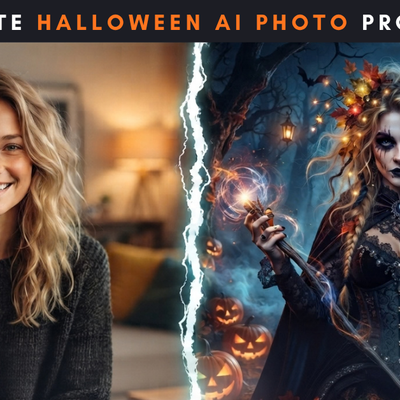
If you spend a few minutes on social media like TikTok or Instagram, one thing becomes clear: attention is brutal, trends move fast.
That is exactly why generative AI has become such a powerful tool for content creators. AI is making it easier than ever to create engaging, shareable content without a big team or a huge budget. For creators who want to stay relevant and grow faster, generative AI is quickly becoming impossible to ignore.
The New Rules of Viral Content
Viral content used to feel unpredictable. In many ways, it still is. But today, successful creators understand that “going viral” is often the result of repeatable systems.
Those systems usually include:
- Strong hooks in the first 1–3 seconds
- Fast editing and high visual stimulation
- Relatable or emotionally charged storytelling
- Trend awareness
- High posting frequency
- Constant testing and iteration
The challenge is that doing all of this manually takes time. A lot of time.
That is where generative AI steps in. It helps creators move from idea to execution much faster, which means they can experiment more often and improve performance over time.
AI Speeds Up the Creative Process
One of the biggest reasons creators burn out is content production overload. Brainstorming, scripting, editing, captioning, clipping, thumbnail design, meme creation, and repurposing can easily eat up an entire week.
Generative AI reduces that load.
A creator can now use AI to:
- Generate content ideas based on trends
- Write multiple hook variations for the same topic
- Draft captions and post descriptions
- Create visual assets in minutes
- Repurpose long-form content into short clips
- Turn static images into dynamic videos
- Produce meme-style content for fast engagement
This speed matters because social platforms reward consistency. The more quickly a creator can produce quality content, the more chances they have to hit on a format that resonates.
Why AI Image to Video Tools Matter
Short-form video dominates nearly every major social platform. But not every creator has the time, gear, or editing skills to produce fresh video content every day.
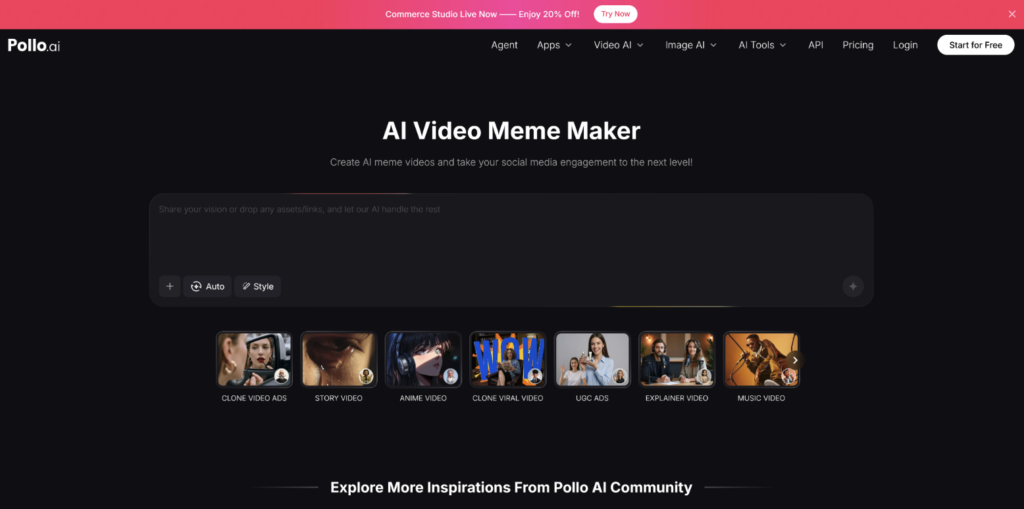
That is why AI image to video tools like Pollo AI are becoming so useful.
These tools can transform still images, graphics, product photos, illustrations, or character art into animated, scroll-stopping video clips. Instead of starting from scratch, creators can use existing visual assets and give them movement, energy, and narrative flow.
For example, an AI image to video generator can help:
- Lifestyle creators animate mood boards into aesthetic reels
- E-commerce brands turn product photos into promo videos
- Educators create visual explainers from static slides
- Influencers build cinematic short clips from portrait images
- Meme pages transform reaction images into short viral edits
Movement naturally grabs attention. Even subtle zooms, transitions, facial motion, or scene animation can make a piece of content feel more alive. On social feeds where every second counts, that extra layer of motion can make the difference between a swipe and a watch.
Video Memes Are Built for Sharing
Memes have always been one of the internet’s most powerful content formats. They are fast, familiar, emotional, and easy to share. Now, with short-form video dominating social media, meme culture has evolved too.
Instead of relying only on static meme images, creators can now produce meme videos with the help of AI.
Why does this matter?
Meme content feels casual, native to the platform, and highly relatable. It also lowers the barrier between creator and audience. People may ignore a polished ad, but they will often stop for a funny, timely meme that captures exactly what they are thinking.
Video memes are especially effective for:
- Brand personality content
- Community engagement
- Trend participation
- Commentary and reaction content
- Product marketing with humor
In other words, memes are not just entertainment. They are a distribution strategy.
AI Helps Creators Test More Ideas Faster
Most viral creators are not guessing. They are testing.
They test different hooks. Different visuals. Different text styles. Different lengths. Different emotional angles.
Before generative AI, testing at that level required a lot of manual work. Now, creators can produce multiple versions of the same content idea quickly and see which one performs best.
For instance, a creator can use AI to generate:
- Five opening hooks for one topic
- Three caption variations
- Two thumbnail concepts
- One serious version and one humorous version
- A static post, a short video, and a meme version of the same idea
This kind of rapid iteration is incredibly powerful. It allows creators to learn what their audience responds to without wasting days on one post.
And the more data they get, the better their instincts become.
Generative AI Supports Small Teams and Solo Creators
Not every creator has a videographer, editor, strategist, designer, and social media manager. In fact, most do not.
Generative AI helps fill those gaps.
A solo creator can use AI as a brainstorming partner, script assistant, visual generator, and editing support tool. That does not mean the content becomes robotic. It means the creator gets more leverage.
This is especially important for:
- Freelance creators
- Small businesses
- Personal brands
- Coaches and consultants
- Startup marketing teams
- Niche content pages
With the right workflow, one person can create the kind of output that used to require an entire content team.
AI Still Needs Human Taste
Here is the part that matters most: AI can help create content, but it cannot replace human taste, timing, and cultural instinct.
Viral content is not just about volume. It is about relevance.
A tool can generate visuals or suggest hooks, but the creator still needs to know:
- What feels authentic to their audience
- Which trends fit their brand
- When a joke lands and when it feels forced
- How to tell a story people actually care about
The best creators do not use AI to become generic. They use it to become faster, sharper, and more consistent.
That is the real advantage.
Final Thoughts
AI is changing social content creation in a very practical way. It helps creators save time, generate more ideas, produce better visuals, and respond to trends while they are still hot. More importantly, it gives small creators the ability to compete at a much higher level.
The creators who win will not be the ones who use AI blindly. They will be the ones who use it strategically. With the right mix of human insight and AI-powered execution, viral content becomes less of a mystery and more of a process.
And in today’s creator economy, that is a serious edge.