 By
By Unexpected Ways Smart Tech Is Changing the Modern Driving Experience
Driving has changed dramatically over the past decade. Not long ago, in-car technology largely meant satellite navigation, Bluetooth connectivity, and perhaps a parking sensor if you were lucky. Today, vehicles are becoming increasingly intelligent, introducing features that quietly reshape the way people interact with the road every day.
Many of the biggest changes are not necessarily the flashy features found in advertisements. Instead, smart technology is influencing the driving experience in subtle and often unexpected ways, improving comfort, convenience, efficiency, and safety without drivers always realizing it.
Here are some surprising ways technology is changing modern driving.
Cars Are Becoming Better at Reducing Everyday Stress
Traffic remains one of the least enjoyable parts of driving.
Smart technologies are increasingly designed to reduce pressure rather than simply add features. Adaptive cruise control, traffic assistance systems, intelligent navigation, and lane support tools can help reduce some of the constant decision-making involved in long journeys and congested commutes.
Rather than replacing the driver, many systems simply help smooth out demanding situations.
Small reductions in stress can make a noticeable difference over time.
Navigation Is Becoming More Predictive
Navigation systems have evolved far beyond simple route planning.
Modern systems increasingly use real-time information to assess:
- Traffic conditions
- Weather patterns
- Road closures
- Charging station availability
- Fuel efficiency routes
- Journey timing
Drivers often receive updates before they even realize changes are needed.
The result is a more responsive and adaptable experience that feels less reactive and more intuitive.
Vehicles Are Learning Everyday Habits
One of the more unexpected developments involves cars learning driver preferences.
Many systems now remember:
- Seating positions
- Climate settings
- Frequently used destinations
- Music choices
- Driving modes
- Mirror configurations
Over time, vehicles begin adapting to individual habits rather than forcing drivers to reset everything manually.
These small conveniences create experiences that feel more personalized.
Smart Features Are Influencing Buying Decisions
Vehicle technology now plays a larger role in purchasing choices than many people expected.
Drivers increasingly compare:
- Connectivity features
- Driver-assistance systems
- User interfaces
- Charging compatibility
- Smartphone integration
- Safety technology
For buyers visiting a Sacramento Jeep dealer, conversations increasingly extend beyond engine performance and design choices to include technology features that support everyday driving and long-term convenience.
Technology is no longer viewed as an optional extra. It has become part of the overall ownership experience.
Searching for a modern Jeep dealer Sacramento often reflects this shift, with many buyers looking for vehicles that balance capability with connected technology.
Safety Is Becoming More Proactive
Traditional safety features focused largely on protecting people after something happened.
Smart technology increasingly aims to prevent problems before they occur.
Features such as:
- Blind spot monitoring
- Collision alerts
- Pedestrian detection
- Fatigue warnings
- Rear cross-traffic alerts
can help drivers recognize risks earlier.
The goal is not to remove human responsibility but to support better awareness.
The Driving Experience Is Becoming More Connected
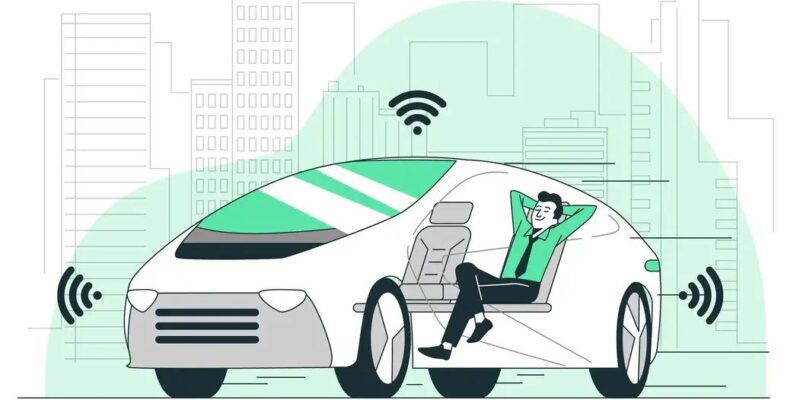
Cars increasingly sit within larger digital ecosystems.
Drivers can now interact with vehicles remotely through mobile apps, monitor diagnostics, schedule maintenance reminders, and even prepare vehicle settings before leaving home.
The vehicle is becoming part of a broader connected lifestyle rather than existing separately from it.
Unexpectedly, some of the most important technological changes in driving are also the quietest. They are not always dramatic or highly visible. Instead, they work in the background, reducing friction and making every day experiences smoother. As technology continues evolving, driving is becoming less about operating a machine and more about interacting with a smarter environment designed around the driver.