According to the National Safety Council, over 50,000 crashes occur in parking lots and garage structures annually in the United States, with a significant portion linked to inadequate lighting conditions. For business owners, this presents a pressing dual challenge: how do you create a safe environment for customers and employees without watching energy costs spiral out of control? The answer lies in modern energy-saving outdoor lights that deliver powerful illumination while dramatically reducing electricity consumption. LED parking lot lights and customizable lighting systems have transformed what was once a costly necessity into a strategic investment that pays for itself. These solutions not only deter criminal activity and prevent accidents but also project a professional image that strengthens customer confidence. In this article, we’ll explore why effective outdoor lighting is non-negotiable for parking lot safety, examine the financial and performance advantages of LED technology, discuss customizable options that adapt to your specific property needs, and walk through a practical implementation guide to help you make the switch with confidence.
The Critical Role of Outdoor Lighting in Parking Lot Safety
A well-lit parking lot does far more than simply help people find their cars. Effective outdoor lights serve as a first line of defense against criminal activity, creating an environment where would-be offenders feel exposed and observed. Studies consistently show that well-illuminated areas experience significantly fewer incidents of theft, assault, and vandalism compared to poorly lit spaces.
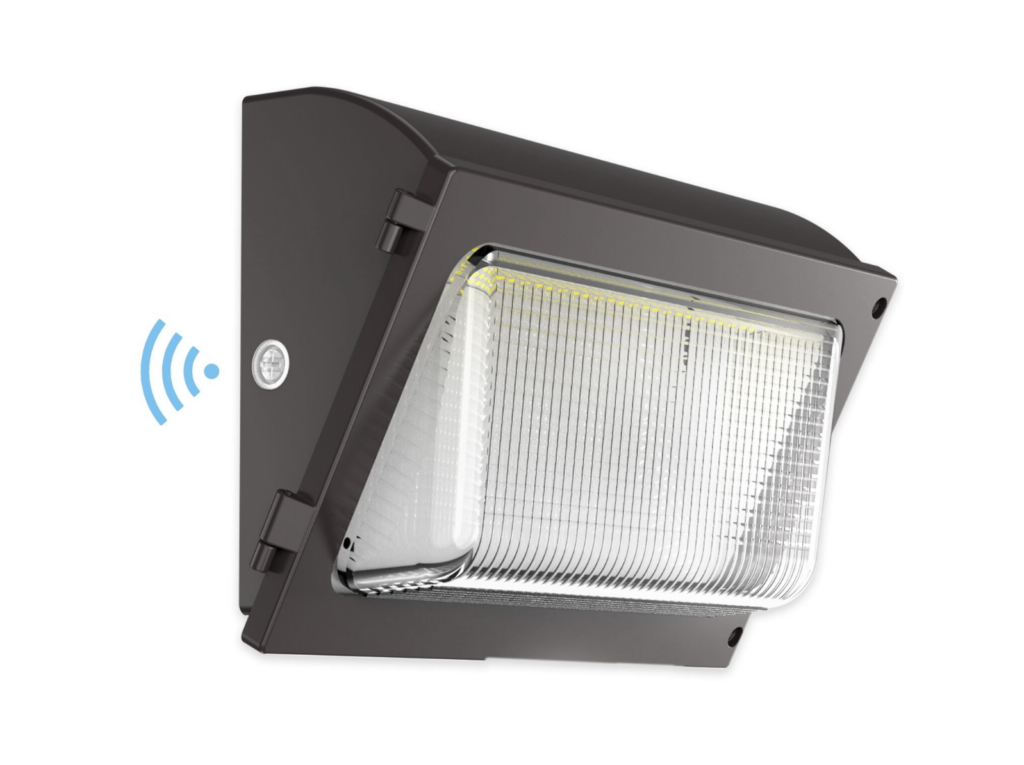
Beyond crime deterrence, proper illumination prevents everyday accidents—drivers can spot pedestrians crossing between rows, shoppers avoid tripping over curbs or potholes, and everyone navigates the space with greater confidence.
The psychological impact matters just as much as the physical safety benefits. When customers pull into a brightly lit parking area, they immediately feel a sense of security that shapes their entire experience with your business. Employees working late shifts or arriving early deserve that same assurance. Conversely, dim or flickering lights send an unmistakable signal of neglect, making people question whether a business cares about their wellbeing. This perception directly influences whether customers return and whether quality employees stay.
Energy-efficient lighting outdoor lights has become the baseline expectation for responsible commercial property management. Businesses that fail to meet adequate illumination standards expose themselves to preventable risks that carry real financial and reputational consequences.
How Lighting Enhances Security and Visibility
Proper illumination eliminates the dark pockets and deep shadows where threats go unnoticed. Security cameras become far more effective when paired with consistent, uniform lighting—facial recognition and license plate identification depend on adequate light levels reaching the ground plane. The Illuminating Engineering Society recommends minimum maintained illuminance levels of 1 foot-candle for basic parking areas and 5 foot-candles for higher-security zones near building entrances. Achieving these standards with energy-saving outdoor lights means distributing fixtures strategically to minimize dark spots between poles while maintaining comfortable brightness that doesn’t create harsh glare for drivers.
Common Risks of Poor Lighting Solutions
Inadequate parking lot illumination creates a cascade of business problems beyond immediate safety concerns. Liability exposure increases dramatically—if an incident occurs in a poorly lit area, property owners face costly lawsuits and settlements that could have been prevented. Insurance carriers recognize this risk, often charging higher premiums for properties with substandard lighting or offering discounts for verified upgrades. Perhaps most damaging is the reputational impact: a single incident reported in local news or shared on social media can permanently alter how the community views your business, driving customers to competitors who demonstrate a visible commitment to safety.
Why LED Parking Lot Lights are the Smart Choice for Businesses
The financial case for LED parking lot lights has become impossible to ignore. Traditional high-intensity discharge fixtures—metal halide and high-pressure sodium lamps that dominated commercial properties for decades—consume two to three times more electricity than their LED counterparts while delivering inferior light quality. A typical 400-watt metal halide fixture can be replaced by a 150-watt LED that produces equal or greater usable light at the ground level. Multiply that savings across dozens of poles operating ten to twelve hours nightly, and the annual reduction in electricity costs becomes substantial enough to reshape a property’s operating budget.
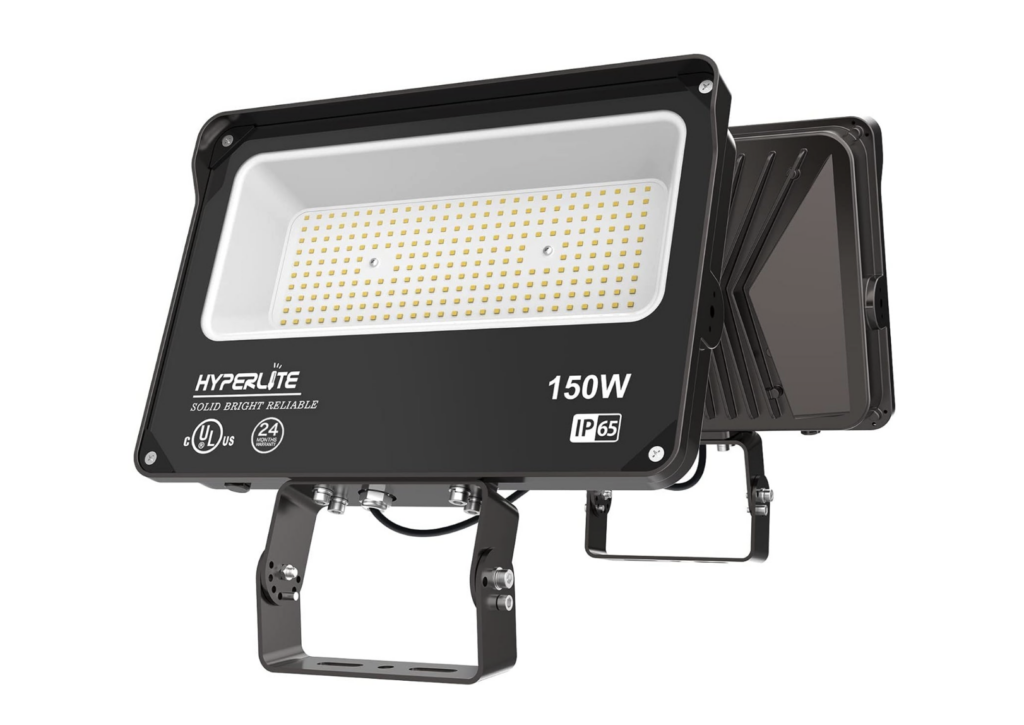
Beyond raw energy savings, LED technology eliminates the hidden costs that plague conventional lighting systems. Metal halide lamps degrade rapidly, losing up to 50 percent of their output before burning out entirely at around 20,000 hours. LED fixtures maintain consistent brightness throughout a rated life that commonly exceeds 100,000 hours, meaning fewer replacements, fewer service calls, and fewer nights with underperforming lights compromising safety. Maintenance crews no longer need to schedule routine lamp changes or deal with the warm-up delays that leave parking lots dark for several minutes after power interruptions. For businesses seeking customizable lighting solutions, LED platforms also serve as the foundation for smart controls, dimming schedules, and adaptive brightness—features that further compound savings while keeping illumination precisely where it’s needed.
Energy Efficiency and Cost Savings Analysis
A mid-sized commercial parking lot running 30 traditional 400-watt fixtures for an average of 11 hours per night consumes approximately 145,000 kilowatt-hours annually. Replacing those with 150-watt LED equivalents drops consumption to roughly 54,000 kilowatt-hours—a 63 percent reduction that translates to thousands of dollars saved each year depending on local utility rates. Most businesses recoup their full investment within two to four years through electricity savings alone. The return accelerates further when factoring in reduced maintenance labor and lamp replacement costs. Many utility companies actively encourage this transition through rebate programs and incentive structures that cover 20 to 50 percent of upgrade costs upfront. Some municipalities also offer tax credits or accelerated depreciation benefits for energy-efficient outdoor lighting installations, making the initial capital outlay even more manageable for budget-conscious property owners.
Durability and Performance in Outdoor Environments
Parking lot fixtures endure punishing conditions year-round—temperature extremes, driving rain, ice accumulation, high winds, and constant UV exposure. LED parking lot lights are engineered specifically for this abuse. Solid-state construction means no fragile filaments or glass envelopes to shatter during storms or from vibration. Quality fixtures from manufacturers like Hyperlite carry IP65 or IP66 ratings, confirming complete protection against dust ingress and powerful water jets from any direction. Operating temperature ranges typically span from negative 40 degrees to well over 120 degrees Fahrenheit without performance degradation. Unlike metal halide lamps that struggle to restart in cold weather or flicker during voltage fluctuations, LEDs deliver instant-on full brightness regardless of ambient conditions. This reliability ensures your parking lot never experiences the dangerous dark periods that compromise safety and invite liability during the exact moments—storms, power restoration events, extreme cold snaps—when consistent illumination matters most.
Exploring Customizable Lighting Solutions for Your Property
No two parking lots share identical layouts, traffic patterns, or security requirements, which is why customizable lighting solutions have become essential for businesses serious about both safety and efficiency. A sprawling retail center with multiple entrances demands a fundamentally different approach than a compact office building lot that empties after 6 PM. Modern outdoor lights offer unprecedented flexibility through dimming controls, motion-activated sensors, and programmable zoning that allow property managers to deliver the right amount of light exactly where and when it’s needed. Dimming capabilities alone can reduce energy consumption by an additional 40 to 60 percent during low-activity hours without sacrificing the baseline illumination required for security camera effectiveness. Motion sensors add another intelligent layer—fixtures operate at reduced output until movement is detected, then instantly ramp to full brightness, simultaneously alerting anyone nearby that activity has been registered. Zoning divides your property into distinct areas with independent lighting schedules and intensity levels, ensuring high-priority zones like building entrances and pedestrian walkways always receive maximum illumination while distant overflow sections scale back during quiet periods. This targeted approach to energy-efficient outdoor lighting means you’re never paying to over-illuminate empty spaces, yet safety is never compromised in occupied areas.
Tailoring Lighting to Specific Areas and Times
Effective customization starts with mapping your parking lot’s usage patterns. High-traffic zones near entrances, handicapped spaces, and cart corrals need consistent full-brightness coverage throughout operating hours. Peripheral areas used primarily during peak shopping periods or special events can operate on reduced schedules. Smart lighting systems automate these adjustments using astronomical clocks that track sunset and sunrise times throughout the year, occupancy sensors that respond to real-time activity, and programmable schedules aligned with your business hours. A restaurant lot might maintain full brightness until midnight, then shift to 50 percent output with motion-triggered boost capability until dawn. An office complex could program aggressive dimming after the last employees typically depart while keeping walkways to transit stops fully lit. These strategies ensure energy-saving outdoor lights work intelligently rather than simply burning at maximum output regardless of actual need.
Integrating Technology for Enhanced Control
IoT-enabled LED parking lot lights connect individual fixtures to centralized management platforms accessible from any device. Property managers can monitor real-time energy consumption, receive instant alerts when a fixture malfunctions, adjust brightness levels remotely, and generate performance reports that demonstrate compliance with safety standards. Some systems integrate directly with security infrastructure, automatically boosting illumination in a zone when cameras detect unusual activity or when an emergency call station is activated. Networked fixtures can also communicate with each other—if one unit fails, adjacent lights increase output to compensate until maintenance arrives. This level of remote management eliminates the need for physical inspections to discover outages, meaning dark spots get addressed in hours rather than days. For multi-property operators, cloud-based dashboards provide portfolio-wide visibility into lighting performance and energy costs, enabling data-driven decisions about where upgrades will deliver the greatest return.
A Step-by-Step Guide to Implementing Energy-Saving Outdoor Lights
Transitioning to energy-efficient outdoor lighting doesn’t require guesswork when you approach it systematically. Whether you’re upgrading an aging system or designing illumination for a new property, following a structured process ensures you maximize safety improvements and financial returns without costly missteps. The key is treating your parking lot lighting as an integrated system rather than a collection of individual fixtures—each decision about placement, output, and controls should serve your broader goals of occupant safety, operational efficiency, and long-term cost management.
Step 1: Assessing Your Current Lighting Setup and Needs
Begin with an honest evaluation of what exists today. Walk your parking lot after dark with a light meter and note areas where illumination falls below the recommended 1 foot-candle minimum. Document fixture locations, wattages, lamp types, pole heights, and the condition of each unit—corroded housings, yellowed lenses, and tilted fixtures all indicate degraded performance. Pull your electricity bills from the past twelve months to establish your current lighting energy baseline. Simultaneously, identify your property’s specific vulnerabilities: Are there blind corners where vehicles and pedestrians converge? Do employees report feeling unsafe in certain zones? Have incidents or near-misses occurred in identifiable patterns? This assessment should also account for future changes—planned building expansions, shifting tenant hours, or anticipated increases in foot traffic. Aligning your lighting upgrade with both current gaps and forward-looking business goals prevents the need for expensive retrofits shortly after installation.
Step 2: Choosing the Right LED Fixtures and Design
Selecting LED parking lot lights involves matching fixture specifications to your property’s physical characteristics. Pole height determines the beam spread needed—taller poles require fixtures with wider distribution patterns to push light outward, while shorter poles benefit from more focused optics. Spacing between poles typically ranges from three to four times the mounting height for uniform coverage without excessive overlap. Color temperature affects both visibility and ambiance; most commercial parking applications perform best in the 4000K to 5000K range, which provides crisp white light that enhances color recognition without the harsh blue tint of higher temperatures. Lumen output should be calculated based on your target illuminance levels and the specific mounting geometry of your lot. Work with a lighting designer or manufacturer’s representative who can produce a photometric plan—a computer-generated simulation showing exactly how light will distribute across your pavement surface. This eliminates guesswork and confirms that your chosen fixtures and layout will meet safety standards before a single pole goes in the ground. Factor in smart controls during the selection phase rather than adding them later, as integrated systems perform more reliably than retrofitted components.
Step 3: Installation, Maintenance, and Long-Term Management
Professional installation by licensed electrical contractors ensures code compliance, proper wiring, and correct fixture aiming that matches your photometric design. Cutting corners here undermines everything the planning phase accomplished—a fixture aimed even a few degrees off target creates dark spots and wastes light where it isn’t needed. Once installed, establish a maintenance schedule that includes quarterly visual inspections for physical damage, annual cleaning of lens surfaces to remove dirt and pollen buildup that reduces output, and periodic verification of light levels using a meter to confirm performance hasn’t degraded. LED fixtures require far less intervention than traditional lamps, but they aren’t maintenance-free. Leverage manufacturer warranties aggressively—reputable brands like Hyperlite back their LED parking lot lights with five to ten year guarantees covering both driver and LED module failures. Keep detailed records of installation dates, warranty terms, and any service performed, as this documentation proves invaluable for insurance purposes and future budget planning. For properties using networked smart controls, review energy and performance data monthly to identify fixtures trending toward failure before they go dark, and adjust dimming schedules seasonally as daylight hours shift.
Invest in Safer, Smarter Parking Lot Lighting Today
Parking lot safety isn’t optional—it’s a fundamental responsibility that directly affects your bottom line, your reputation, and the wellbeing of every person who visits your property. Energy-saving outdoor lights built on LED technology deliver the powerful, consistent illumination needed to deter crime, prevent accidents, and create an environment where customers and employees feel genuinely secure. The financial advantages make this decision even clearer: dramatic reductions in electricity consumption, near-elimination of maintenance costs, and payback periods that typically fall within two to four years. Customizable lighting solutions take these benefits further by ensuring every watt serves a purpose—dimming where activity is low, brightening where safety demands it, and adapting automatically to changing conditions throughout the night. The path forward starts with an honest assessment of your current setup, followed by thoughtful fixture selection and professional installation that maximizes both performance and longevity. Don’t wait for an incident to force your hand. Reach out to a qualified lighting professional this week to evaluate your parking lot and develop an upgrade plan that protects your people, your property, and your investment for years to come.