 By
By Vertical Software Development: Building Products for Industry-Specific Needs
Generic software can address common business processes, but many industries have workflows, regulations, and operational requirements that standard products cannot fully support. This gap has increased demand for software designed around the needs of a specific market rather than a broad audience.
Vertical software development focuses on creating products for defined industries or niches. Instead of adapting generic functionality, teams can build workflows, integrations, and user experiences around the way a particular business actually operates.
Why Industry Context Matters
Healthcare, logistics, finance, manufacturing, and professional services all operate differently. Each sector has its own terminology, regulations, user roles, and operational constraints.
Software designed without this context often creates extra manual work or requires significant customization after implementation.
Building Around Specialized Workflows
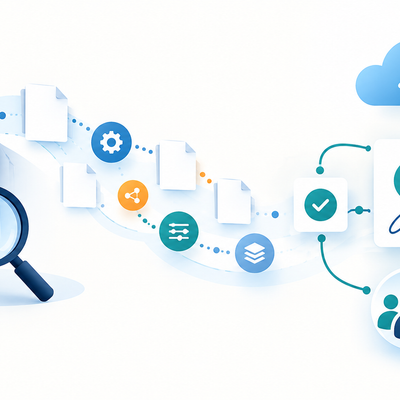
Vertical products can support processes that horizontal platforms may treat as edge cases. This allows businesses to reduce workarounds and create more efficient day-to-day operations.
- Industry-specific approval and reporting workflows
- Integrations with specialized third-party systems
- Interfaces designed for specific professional roles
These capabilities make the product more relevant to users who need deeper functionality rather than a broad collection of generic features.
Creating a Better User Experience
Domain-specific software can also simplify UX. When designers understand how users work, they can organize information around familiar tasks and terminology instead of forcing users to adapt to abstract software structures.
This reduces training requirements and helps new users become productive faster.
Supporting Long-Term Product Differentiation
Vertical software companies compete through depth rather than broad feature coverage. A product that solves difficult industry problems well can create stronger customer loyalty and become deeply embedded in daily operations.
Specialization also creates opportunities for better automation, analytics, and integrations because the product is built around a clearly defined business environment.
Conclusion
Vertical software development allows businesses to build products that reflect the realities of a specific industry. By combining domain knowledge with tailored workflows and integrations, companies can create software that delivers greater operational value than generic solutions and supports long-term differentiation in specialized markets.