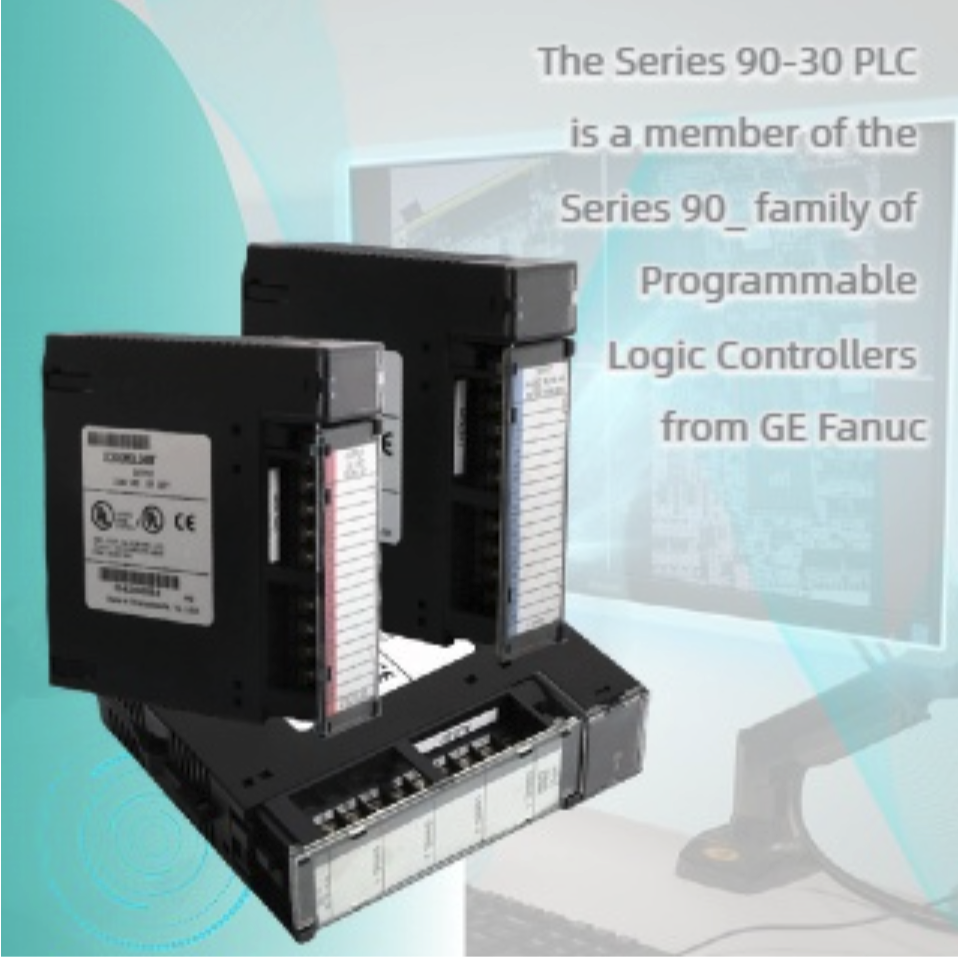
Industrial automation has become the driving force behind operational efficiency, consistency, and productivity across manufacturing, energy, and process industries worldwide. As facilities grow more complex and demand tighter control over every stage of production, the technology underpinning these operations must keep pace. General Electric has long stood at the forefront of this evolution, delivering automation platforms that power some of the most demanding industrial environments on the planet.
Yet engineers tasked with designing, maintaining, and upgrading these systems frequently encounter a persistent challenge: sourcing reliable, high-performance GE automation control parts that meet exacting technical requirements. Whether replacing a legacy processor, expanding a modular I/O rack, or deploying a new programmable automation controller, finding the right components can mean the difference between seamless uptime and costly disruption.
This article serves as a practical guide for engineers navigating the GE automation landscape. We’ll explore the core components that define these systems, outline strategies for selecting and sourcing high-performance control system parts, break down modular I/O configurations for scalable designs, and examine how programmable automation controllers deliver intelligent control for complex applications.
Understanding the Core of GE Automation Systems
GE automation encompasses a broad portfolio of hardware and software platforms engineered to monitor, control, and optimize industrial processes in real time. From power generation plants and water treatment facilities to discrete manufacturing lines, these systems translate raw sensor data into actionable decisions that keep operations running safely and efficiently.
At the heart of every GE automation architecture lies a tightly integrated set of control system parts—processors that execute logic at millisecond speeds, communication modules that shuttle data across plant networks, power supplies that ensure uninterrupted operation, and backplanes that tie everything together in a unified rack. The programmable automation controller serves as the central intelligence, coordinating inputs and outputs while supporting advanced functions like motion control, data logging, and predictive diagnostics.
Over the decades, GE’s technology has evolved from hardwired relay panels to sophisticated, software-defined platforms such as the PACSystems family, fundamentally reshaping how engineers design and maintain control architectures. This evolution has shortened commissioning timelines, simplified troubleshooting through built-in diagnostics, and enabled remote monitoring capabilities that were unimaginable a generation ago. Understanding how each component contributes to the whole is the first step toward building—and sustaining—a reliable automation infrastructure.
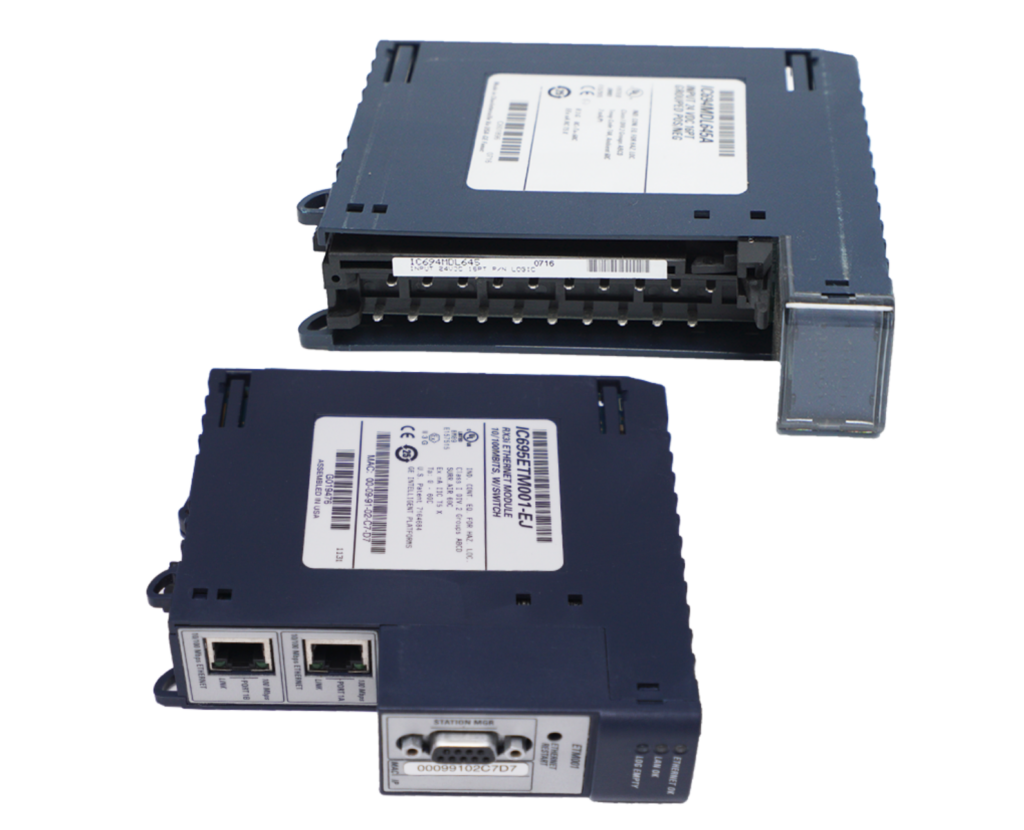
High-Performance GE Control System Parts: Meeting Engineer Demands
Engineers working with GE automation platforms depend on consistent access to high-performance control system parts that can withstand harsh operating conditions while delivering precise, repeatable results. The stakes are significant—a single underperforming processor or an incompatible drive module can cascade into unplanned downtime, production losses, and safety risks.
Critical part categories include central processing units that handle logic execution and communication management, variable frequency drives that regulate motor speed and torque with fine-grained accuracy, analog and digital sensors that feed real-time process data back to the controller, and power supply modules that maintain stable voltage across the entire control rack. Each of these components must work in concert, which means engineers cannot afford to treat sourcing as an afterthought.
The path to optimal performance begins with a disciplined evaluation process: define the application requirements first, then match those requirements against verified technical specifications, and finally validate that every General Electric automation piece carries genuine GE certification or is sourced through a channel that guarantees authenticity and warranty coverage.
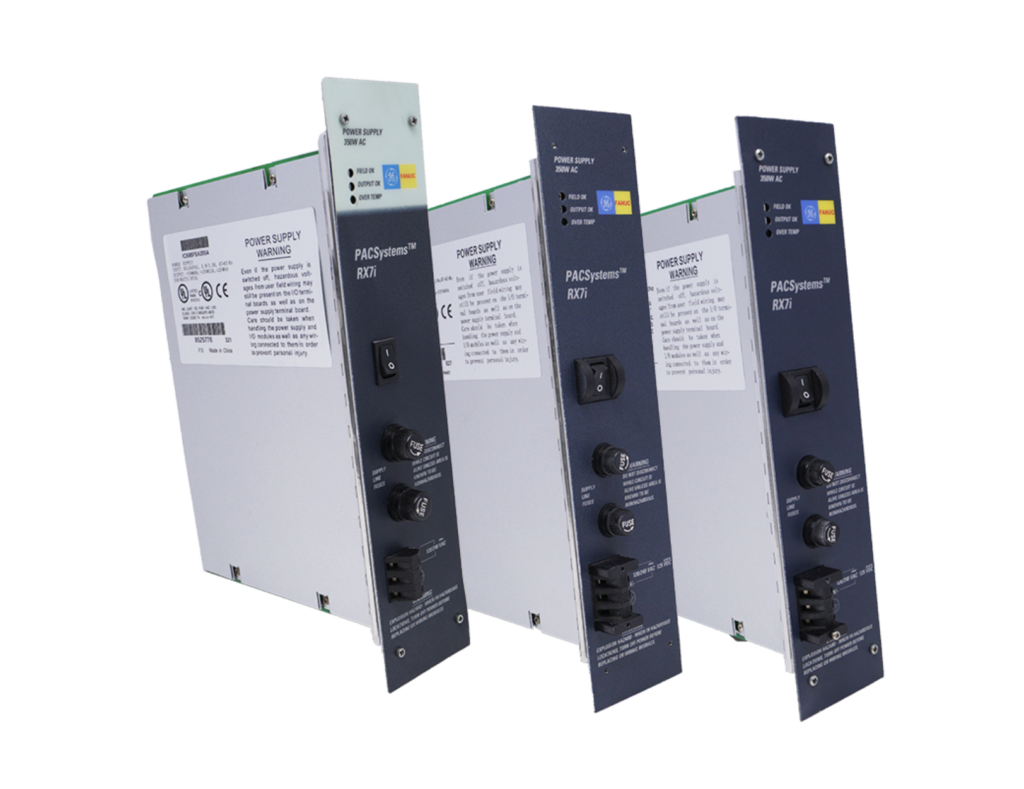
Key Considerations for Part Selection
Selecting the right control system parts requires balancing several interdependent factors. Technical specifications—processing speed, memory capacity, operating temperature range, and communication protocol support—must align precisely with the application’s demands. A water treatment plant running continuous PID loops, for instance, needs a processor with deterministic scan times, while a high-speed packaging line may prioritize fast I/O refresh rates.
Beyond raw specs, engineers should evaluate compliance with industry standards such as IEC 61131, UL 508, and relevant hazardous-area certifications when deploying in classified environments. Lifecycle cost is another decisive metric; a lower-priced third-party substitute might save money upfront but introduce compatibility issues, shorter mean time between failures, and limited firmware support that inflate total cost of ownership over a five- to ten-year horizon. Performance metrics like throughput, redundancy capability, and diagnostic depth should drive the final decision rather than unit price alone.
Practical Solutions for Sourcing and Integration
Start by identifying GE-authorized distributors and verified resellers who can provide full traceability documentation, including lot numbers and manufacturing dates. Specialized suppliers such as Apter Power can be valuable partners when sourcing hard-to-find automation and power components, offering verified inventory with traceability that engineers require. Cross-reference part numbers against GE’s official catalog to confirm that the revision level matches your existing firmware and backplane configuration. Before installation, bench-test each component using GE’s diagnostic software to verify communication integrity and functional performance.
Develop a standardized spare-parts inventory strategy that accounts for lead times—keeping critical items like CPUs and power supplies on-site while ordering less urgent modules on a just-in-time basis. Engineers should also leverage GE’s online support portals and technical bulletins, which publish compatibility matrices, end-of-life notices, and recommended migration paths. Establishing a relationship with a dedicated application engineer at your distribution partner accelerates troubleshooting and ensures you receive early notification of product updates or supply chain disruptions that could affect project timelines.
Mastering Modular I/O Configurations in GE Automation
Scalability remains one of the most pressing concerns for engineers designing or expanding GE automation architectures. Modular I/O configurations address this concern directly by allowing control systems to grow incrementally—adding channels, signal types, or entire racks without redesigning the underlying infrastructure. In GE’s PACSystems and VersaMax platforms, modular I/O modules snap onto standardized backplanes, each module handling a specific signal type such as discrete inputs, analog outputs, thermocouple inputs, or high-speed counter channels. This architecture means an engineer can tailor a system precisely to the process at hand, deploying only the modules needed today while reserving slots for future expansion.
The flexibility extends beyond physical layout; modular I/O supports hot-swapping in many configurations, enabling maintenance teams to replace a faulted module without shutting down the entire rack. For facilities running multiple process areas—each with distinct signal requirements—modular I/O also simplifies standardization, since a common backplane and power supply can host vastly different module combinations depending on the application zone.
Designing Effective I/O Systems
Effective I/O system design starts with a comprehensive signal list that catalogs every field device, its signal type, voltage level, and required update rate. Group signals logically by process area or control loop rather than purely by type; this reduces cable runs and simplifies troubleshooting when a fault isolates to a specific rack. When laying out backplanes, place high-density digital modules closest to the power supply to minimize voltage drop, and separate analog modules from high-current discrete outputs to limit electromagnetic interference.
Use shielded cables for analog signals and route them in dedicated cable trays away from power conductors. Within GE’s configuration software, assign each module a meaningful tag naming convention that reflects its physical location and function—this practice pays dividends during commissioning and future expansions. Consider redundancy requirements early: critical loops may justify dual-channel analog input modules or redundant communication adapters that maintain data flow if a single network path fails.
Implementation and Optimization Tips
During installation, verify each module’s firmware revision matches the CPU’s compatibility table before powering up the rack—mismatched firmware is a frequent source of communication faults that mimic hardware failures. Run a full channel-by-channel loop test, injecting known signals at the field termination and confirming correct values at the controller, to catch wiring errors before process startup. Once operational, monitor module diagnostics through GE’s Proficy Machine Edition or CIMPLICITY platforms to track metrics like module temperature, communication retries, and channel fault counts. Set alarm thresholds on these diagnostics so degradation triggers a maintenance work order before it escalates to a process trip.
A common pitfall is overloading a single backplane with too many high-current output modules, which can exceed the power supply’s capacity under simultaneous energization; always calculate worst-case current draw and add a fifteen to twenty percent margin. Finally, document every module position, configuration parameter, and firmware version in a controlled revision system so that future engineers can replicate or expand the design without guesswork.
Programmable Automation Controllers (PACs): The Intelligent Core
Programmable automation controllers represent a significant leap beyond traditional PLCs, combining the deterministic logic execution engineers expect with the processing power, memory depth, and connectivity of modern computing platforms. In GE’s ecosystem, the PACSystems line—anchored by the RX3i and RXi controllers—exemplifies this convergence, delivering a single hardware platform capable of handling discrete logic, continuous process control, motion coordination, and high-level data analytics simultaneously.
Where a conventional PLC might require separate processors or coprocessors for each discipline, a PAC consolidates these functions into one unified environment, reducing hardware footprint and simplifying programming. The programming environment itself marks another departure from legacy systems. GE’s Proficy Machine Edition supports all five IEC 61131-3 languages—ladder diagram, structured text, function block diagram, instruction list, and sequential function chart—giving engineers the freedom to choose the approach best suited to each control task. Beyond basic logic, PACs offer built-in Ethernet connectivity, OPC UA support, and embedded web servers that expose real-time diagnostics without requiring dedicated HMI hardware.
For complex applications involving coordinated multi-axis motion, batch recipe management, or tight integration with enterprise-level historians, the programmable automation controller delivers computational headroom that traditional PLCs simply cannot match.
Integration Strategies for PACs
Seamless integration begins with understanding the communication architecture. GE PACs natively support multiple protocols—EtherNet/IP, PROFINET, Modbus TCP, and serial Genius—allowing them to coexist with legacy field devices and modern networked instruments alike. When connecting a PACSystems controller to an existing plant network, map out every communication path and assign deterministic update rates to critical data exchanges while relegating non-essential traffic to lower-priority channels. Use GE’s built-in redundancy features, such as hot-standby CPU pairs and redundant Ethernet media, to eliminate single points of failure on networks that carry safety-critical data.
On the software side, leverage Proficy Machine Edition’s import and export utilities to migrate logic from older Series 90-30 or 90-70 platforms into the PACSystems environment without rewriting proven code blocks from scratch. Establish a version-controlled repository for all project files, including hardware configurations, variable databases, and communication maps, so that any engineer on the team can reconstruct or modify the system with full context. When integrating with SCADA or MES layers, configure OPC UA endpoints on the PAC to provide secure, structured data access without custom middleware, reducing integration complexity and long-term maintenance burden.
Ensuring Reliability and Upgradability
Long-term reliability demands proactive lifecycle management rather than a reactive break-fix mentality. Schedule firmware updates during planned outages, testing each update on a bench-mounted spare CPU before deploying to the production controller—this catches incompatibilities with existing logic or third-party modules in a risk-free environment. Maintain automated backups of the entire PAC project, including configuration, logic, and parameter sets, using GE’s built-in backup utilities or third-party change management platforms that timestamp every revision.
For future-proofing, select PAC hardware with expandable memory and available communication slots beyond current requirements; this small upfront investment avoids costly controller replacements when the process grows. Monitor GE’s product lifecycle announcements to identify components approaching end-of-life status, and plan migrations well in advance rather than scrambling when spare parts become unavailable. Implement cybersecurity best practices—disable unused network ports, enforce role-based access in Proficy Machine Edition, and segment the control network from the enterprise LAN using managed switches with access control lists. These measures collectively ensure that your PAC deployment remains secure, supported, and adaptable as both technology and process requirements evolve over the system’s operational lifespan.
Building a Future-Ready GE Automation Strategy
Building and maintaining a robust GE automation infrastructure hinges on understanding how each layer of the system works together—from the control system parts that form the physical foundation to the modular I/O configurations that deliver scalability and the programmable automation controllers that provide intelligent, unified processing. Engineers who approach part selection with disciplined evaluation criteria, prioritize genuine sourcing channels, and design I/O architectures with future growth in mind consistently achieve higher uptime and lower total cost of ownership.
Equally important is treating PAC deployments as living systems that require proactive firmware management, cybersecurity hardening, and structured documentation to remain reliable over their full operational lifespan. By applying the strategies outlined in this guide—matching specifications to application demands, bench-testing before deployment, leveraging GE’s diagnostic platforms, and planning migrations ahead of end-of-life announcements—engineers can transform sourcing and integration from a recurring pain point into a competitive advantage. As industrial automation continues its shift toward edge computing, cloud-connected analytics, and tighter IT-OT convergence, staying current with GE’s evolving platform capabilities will be essential for teams determined to extract maximum value from their control systems.