Amazon flags network anomalies instantly. One recycled IP triggers a store suspension. Cheap datacenter infrastructure fails modern workflows. Multi-accounting demands clean residential lines.
This review analyzes five proxy networks based on their architectural routing and identity management. We map their infrastructure setups against Amazon’s compliance filters. You will see where your automation pipelines risk breaking before you deploy live inventory.
Accounts die silently. Choose your routing carefully.
TL;DR: Quick Amazon proxies matrix
Different workflows demand entirely different setups. Speed matters for scraping, while identity persistence matters for store management. One wrong choice breaks the pipeline.
| Provider | Optimal Use Case | Infrastructure Focus |
|---|---|---|
| CyberYozh App | Amazon multi-accounting & large-scale scraping | Integrated ecosystem with clean ISP pools |
| NetNut | Bulk product parsing | Enterprise-scale high-throughput data extraction |
| ProxyEmpire | Aggressive data harvesting | Rapid automated IP rotation loops |
| IPRoyal | Low-budget sandbox testing | Crowdsourced network with low entry barriers |
| PrivateProxy | Simple static connectivity | Legacy datacenter lines with unmetered bandwidth |
1. CyberYozh App
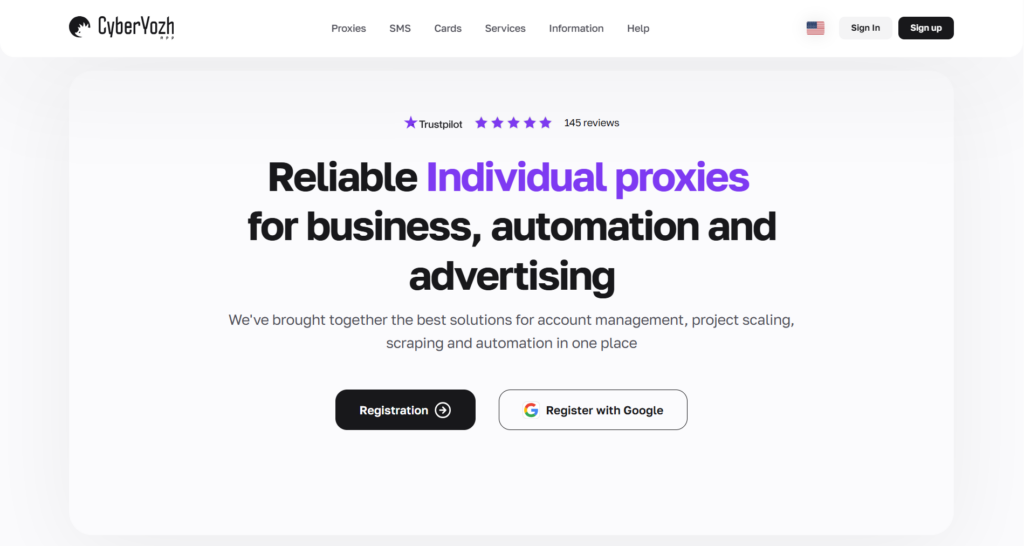
CyberYozh App operates as a complete infrastructure ecosystem rather than a standard proxy vendor. It targets professionals managing high-volume scraping, traffic routing, automated advertising, and complex Amazon multi-accounting. You get unlimited high-speed LTE and 5G mobile lines, alongside residential and datacenter options pulling from a 50M+ IP pool across 120+ countries.
They actively manage these private pools to prevent recycled traffic, maintaining the high trust scores required for e-commerce. The platform embeds deep digital fingerprinting capabilities. It masks your OS behavior and integrates seamlessly with major anti-detect browsers to keep sessions alive.
You do not just buy an IP. The dashboard combines routing, SMS activations, and real-time fraud-risk checks. It includes full API access for frameworks like Scrapy, Selenium, Postman, Playwright, and Puppeteer. This unified setup delivers predictable performance and stops the technical fragmentation that flags merchant accounts.
Key features:
- 50M+ private IP pool actively managed against recycled traffic.
- IP-based fraud risk checks and OS fingerprint masking.
- Unlimited bandwidth on high-speed LTE/4G/5G mobile nodes.
- Consistent sticky sessions via HTTP, SOCKS5, VPN and VLESS.
- Localized virtual bank cards for top anti-detect browsers.
- High-trust residential numbers clear strict SMS checks.
- Direct API integration with Selenium, Puppeteer, and Playwright.
CyberYozh App pricing:
- Residential static proxies (ISP): From $5.29/month
- Residential rotating proxies: From $0.90/1GB
- LTE/4G/5G mobile proxies: From $1.70/day (unlimited traffic)
- Datacenter proxies: From $1.90/month (unlimited traffic)
2. NetNut
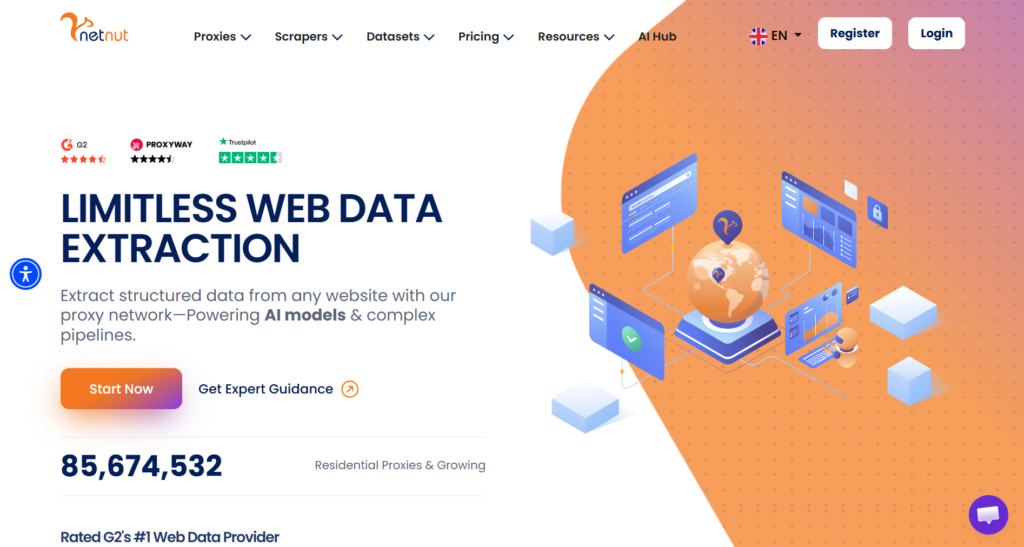
NetNut targets heavy enterprise data extraction. They focus strictly on high-volume crawling. But the setup is notoriously technical and expensive for independent Amazon sellers.
You get direct ISP connections for price mapping, but the infrastructure operates as a bare-bones pipe. It completely lacks identity management layers like SMS rentals or virtual cards. You end up piecing external tools together by hand. That causes errors. And when your scraper hits a rate limit, Amazon kills those IPs fast. It forces massive harvesting pipelines but fails entirely at protecting daily merchant profiles.
Key features:
- 85M+ residential IP pool.
- API extraction support.
- Configured for heavy scraping loads.
- Direct ISP sourcing.
NetNut pricing:
- Residential proxies: From $1.59/GB
- Static residential proxies: From $3.82/proxy
- Mobile proxies: From $3.82/proxy
- Datacenter proxies: From $0.45/proxy
3. ProxyEmpire
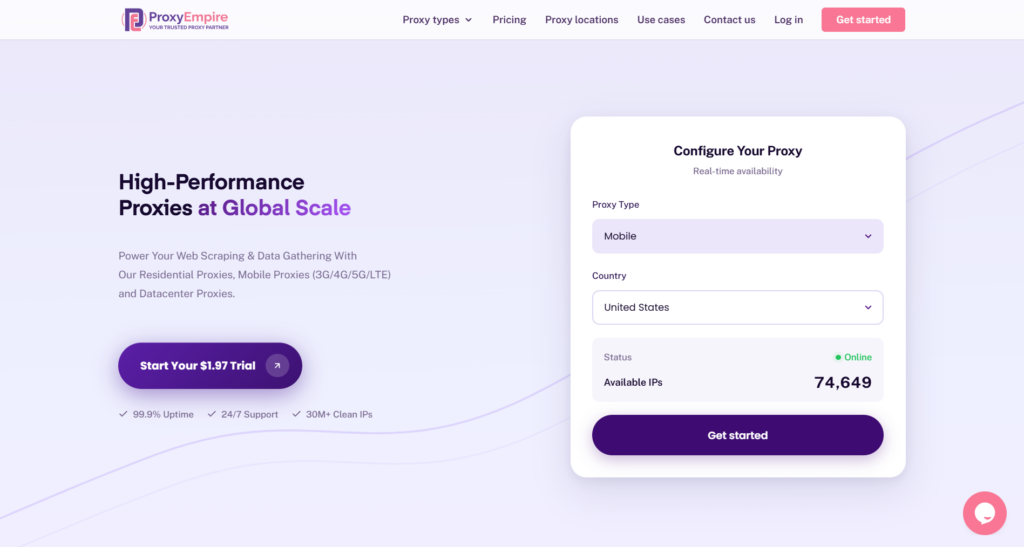
ProxyEmpire relies heavily on rapid IP cycling. Their infrastructure pushes aggressive data collection loops. While some use it to monitor price shifts, this constant rotation triggers Amazon’s security filters almost instantly.
Connections drop. Your store identity breaks. Amazon sees this jumping around and kills the account. The platform completely lacks the session persistence required to protect long-term accounts. You are renting a raw harvesting tool, leaving your merchant profiles highly vulnerable to detection.
Key features:
- 30M+ global IP pool.
- Automatic per-request IP rotation.
- Price-monitoring script compatibility.
- Pay-as-you-go billing.
ProxyEmpire pricing:
- Residential/Mobile: $1.97 trial
- Rotating datacenter: $25/month
- Dedicated mobile: $125/month
- Enterprise: Custom plans available
4. IPRoyal
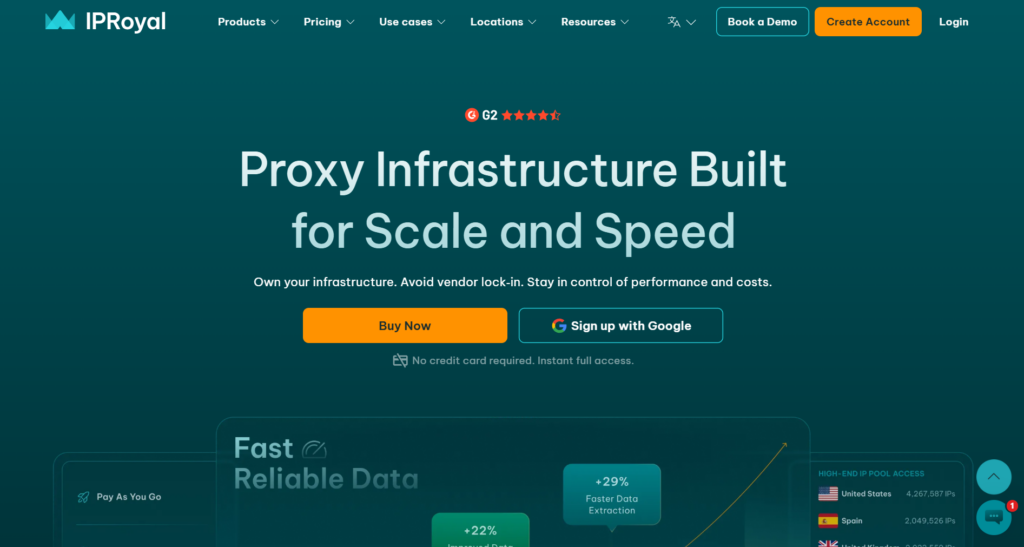
IPRoyal offers a budget entry point using crowdsourced residential networks. The low cost appeals to beginners, but the architecture suffers from severe reliability issues. Home users turn off their routers, dropping your active connections mid-task.
These sudden disconnects flag Amazon’s risk algorithms instantly. Your operations halt. Furthermore, their billing model wastes your budget. Mobile lines lock you into a strict 24-hour clock. You pay for a full day even if your scraping script runs for five minutes. The unstable IPs and rigid expenses make it a risky choice for serious multi-accounting.
Key features:
- 32M+ crowdsourced residential IP pool.
- Pay-as-you-go data allocations.
- No strict contracts required.
- 24-hour fixed mobile billing.
IPRoyal pricing:
- Residential proxies: From $1.75/GB
- ISP proxies: From $2.40/proxy
- Datacenter proxies: From $1.39/proxy
- Mobile proxies: From $117/month
5. PrivateProxy.me
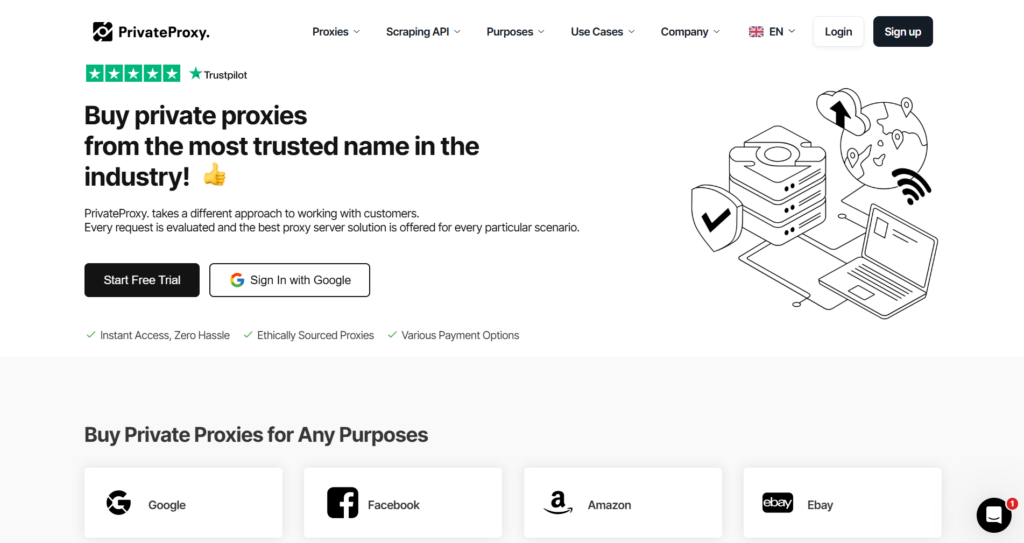
PrivateProxy.me relies entirely on legacy datacenter and static residential infrastructure. They push unmetered bandwidth for basic web scraping, but the technology is severely outdated for modern e-commerce defenses.
Amazon spots these datacenter IP ranges right away, handing out instant bans. They have zero dedicated mobile lines. So you end up buying them somewhere else. This creates a highly fragmented footprint. The limited inventory and high ban rates make it practically useless for managing sensitive Amazon Seller profiles.
Key features:
- Legacy datacenter routing.
- Instant port activation.
- Static datacenter and residential lines only.
- Basic technical support.
PrivateProxy.me pricing:
- Datacenter static: From $3/month
- Residential static: From $5/month
- Datacenter rotating: From $1.5/month
- Residential rotating: From $10/month
Amazon proxy infrastructure strategy
Amazon tracks seller footprints deeply. They monitor connection consistency, device markers, and telemetry simultaneously. One IP mismatch flags compliance filters instantly.
Run real-time fraud evaluations before logging into active accounts. Stop suspensions upfront. Juggling separate software vendors breaks data consistency. Fragmented pipelines leak footprints. Keep your operations within one integrated ecosystem to protect your network footprint.
See how these networks stack up on targeting and keeping accounts alive:
| Provider | Network Coverage | Core Advantage | Main Limitation |
|---|---|---|---|
| CyberYozh App | Rotating Residential, ISP, Mobile, DC | Integrated routing, API, SMS, and virtual bank cards | Extensive toolkit is overkill for single-item scraping |
| NetNut | Standard Residential & ISP | Bulk API data extraction | Rigid subscription models and compliance delays |
| ProxyEmpire | Rotating Residential & DC | Fast automated IP rotation loops | Frequent session drops flag persistent merchant accounts |
| IPRoyal | Crowdsourced Residential | Low entry cost for sandbox testing | Enforces rigid 24-hour fixed mobile billing |
| PrivateProxy.me | Static DC & Residential | Unmetered bandwidth on static lines | Completely lacks native mobile proxy coverage |
Forget about the raw cost per gigabyte. Because tying disconnected IPs, SMS tools, and virtual cards together manually drains your time. Running operations through one system prevents sudden account bans.
How to choose the best Amazon proxy for your workflow
Base your decision strictly on your daily operational load. Scaling securely requires three rigid principles:
- Prioritize account persistence: Avoid cheap rotating pools for active profiles. Amazon flags rapid IP shifts. Dedicate static ISP lines to your storefronts. A clean connection keeps inventory online.
- Run pre-flight risk checks: Never guess your network reputation. Run real-time IP checks before connecting to Seller Central. Verify your exact Fraud Score upfront.
- Stop buying IPs, cards, and numbers from different places. It leaves a messy footprint. Mismatched billing details trigger reviews. Route identity management through one dashboard.
Run a 14-day test: Try it on a test profile first. If you see CAPTCHA loops or dropping connections, pull the plug.
Final verdict: Building for longevity
Raw bandwidth is everywhere. NetNut handles high-volume competitor pricing perfectly. IPRoyal works for budget testing.
Pulling data is one thing. Keeping a live store online is another. Amazon analyzes your entire footprint. They trace connections, cross-reference billing, and check verification numbers. You buy pieces from separate vendors. You duct-tape them together. Automated compliance engines catch the mismatch instantly. Fragmented setups leak.
Unified environments make more operational sense. Juggling multiple software subscriptions breaks workflows. A consolidated ecosystem like CyberYozh App aligns clean ISP lines directly with virtual cards and SMS. It removes friction. Keeping routing and identity under one roof is the most reliable way to scale.
FAQs about Amazon proxy infrastructure
Can I use cheap datacenter proxies for Amazon Seller Central?
Amazon spots datacenter IPs instantly. They flag the server farm and suspend your store. Use them for basic web crawling. You need clean ISP lines to log into your store safely. Amazon needs to see a normal human connection.
Do I need static or rotating proxies for Amazon data scraping?
Match the tool to the job. Pull competitor prices using rotating residential IPs. But active seller profiles demand static ISP lines. Persistent identities keep sessions stable. Rapid IP shifts trigger compliance checks.
Are mobile networks better than ISP residential lines for Amazon?
Mobile networks deliver top trust scores because thousands of users share cellular IPs. But they cost more. Run them if you manage heavy social marketing alongside stores. For standard Seller Central tasks, dedicated ISP lines provide identical stability for much less.
How do I guarantee IP quality before managing my inventory?
Most providers assign random IPs blindly. This risks live inventory. Run pre-flight risk checks. Use platforms that check your exact Fraud Score against databases like IPQualityScore before you log in. See your footprint exactly how Amazon sees it.
Why do automation workflows break even with premium proxies?
Raw speed is rarely the issue. Most providers sell a basic connection. When Amazon demands a sudden phone verification, your script crashes. You rush to buy numbers elsewhere. Managing IPs, cards, and phone checks in one dashboard prevents these bottlenecks.