 By
By Digital Sovereignty Strengthens Control Over Data Spaces
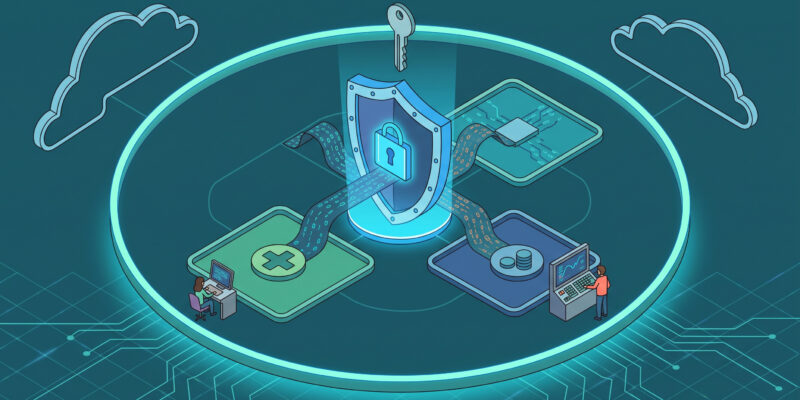
Who owns digital information is now a boardroom priority. Companies in every sector now see that keeping records, intellectual property, and operational data on platforms they cannot control breeds costly dependencies. Digital sovereignty, a concept that has gained considerable attention in recent years, describes the ability of individuals, companies, and even entire nations to determine, according to their own preferences and requirements, precisely how their data is stored, processed, and accessed by others. As cross-border data flows grow more complex, the wish to reclaim control over these assets grows stronger. This shift explains why teams rethink data storage and control.
What Digital Sovereignty Really Means for Your Data Spaces
At its core, digital sovereignty is about having control and agency. It means having the technical and legal ability to decide what happens to your information throughout its entire lifecycle. A data space is any environment where information is collected, stored, and shared. When you exercise direct control over these environments, rather than delegating their management to external parties, you are the one who determines the governing rules, the access permissions granted to various users, and the retention policies applied, all without any interference from a third party.
Many businesses discover that convenience has quietly eroded their command over these assets. Signing up for a managed platform often feels effortless, yet each agreement transfers a portion of governance to an external party. Reclaiming that authority requires deliberate infrastructure choices. Running your own environment on a VPS with full root access gives you the freedom to configure security layers, encryption standards, and data placement exactly as your policies demand, rather than accepting defaults set elsewhere.
Who Controls Your Data When It Lives on Third-Party Platforms
The reassuring belief that your files stay yours purely because you were the one who created them rarely holds up once they are subjected to any real examination. When information sits on someone else’s servers, the terms of service, jurisdiction of the provider, and their internal practices all shape what can happen to it. Authority requests, automated scanning, and policy changes can affect your files without real consultation.
The Hidden Trade-Offs of Convenience
Cloud-based tools deliver genuine value, but they also introduce quiet compromises. Consider how many everyday decisions about your data are effectively made by the platform rather than by you. Data location may be opaque, backups may reside in unfamiliar regions, and the ability to export everything cleanly is not always guaranteed. These trade-offs matter most when sensitive or regulated information is involved. Protecting personal devices matters too, and guidance such as safeguarding information on Android with the right apps and VPN tools illustrates how individual habits reinforce broader control.
Recognising Vendor Lock-In
Lock-in occurs in those situations where the act of moving away from a particular provider becomes so difficult, so costly, and so entangled with existing arrangements that you effectively lose all the bargaining power you might otherwise have held. Proprietary formats, tightly coupled services, and steep migration costs, when combined, all keep organisations firmly tethered to arrangements that they might otherwise choose to leave behind. Spotting these patterns early is the first step toward reclaiming control over where and how your information resides.
Reclaiming Ownership by Hosting Sensitive Data on Your Own Infrastructure
Returning critical data to direct management does not require giving up modern tools. Instead, it means carefully selecting infrastructure over which you hold complete administrative authority, ensuring that you can consistently enforce your own security standards without relying on external providers. When you self-host sensitive systems on dedicated virtual resources that you control directly, your encryption keys, access logs, and network rules remain firmly in your own hands.
Teams that are carefully evaluating whether this particular approach might suit their needs will, in most situations, take the time to weigh a number of practical factors, considering each one thoughtfully, before finally committing to any firm decision. These considerations help you structure that decision.
- Prioritise self-managed hosting for the most sensitive, heavily regulated datasets.
- Choose a provider offering genuine root access for full configuration control.
- Make encryption at rest and in transit a baseline requirement.
- Document backup and recovery procedures, storing copies within trusted jurisdictions.
- Test migration paths regularly to confirm penalty-free movement.
When comparing available options, it makes sense to review several hosting arrangements side by side, and among the names that surface in this space is IONOS. Practical resources like curated step-by-step technical guides can walk teams through the configuration details that turn a bare server into a secure, self-governed environment.
Legal and Regulatory Reasons to Keep Data Within Your Jurisdiction
Data placement also has serious legal consequences. Rules like data protection frameworks set requirements for where personal information can be stored and how it must be treated. When you keep data within a specific jurisdiction, you can simplify compliance, reduce your exposure to conflicting foreign laws, and give regulators a clear picture of your practices.
Governments and regional blocs increasingly treat data location as a matter of strategic importance. Examining how different countries approach digital sovereignty reveals a growing consensus that critical information should not sit beyond a nation’s legal reach. For businesses, aligning infrastructure choices with these expectations reduces uncertainty. When your servers operate within a defined legal territory, questions about lawful access, cross-border transfers, and applicable courts become far easier to answer, protecting both the organisation and the people whose data it holds.
Building a Self-Governed Data Environment Step by Step
Gaining real control over your information is a process, not a single purchase. It begins with a clear inventory of everything you hold and where it currently sits, which is then followed by an honest prioritisation of what truly needs tighter governance and stronger controls. After that, you can set up infrastructure, secure it, and move data in stages.
Practical Foundations for Lasting Control
Begin with one non-critical workload to build confidence, then expand as your team grows comfortable. Invest time in monitoring, patching, and access reviews, since ownership brings responsibility alongside freedom. Automate what you can so that keeping security does not become a burden pushing you toward less controlled alternatives.
The reward for this effort is durable independence. You can pinpoint exactly where each data piece lives and who accesses it. That clarity, which emerges from knowing precisely where your information resides, strengthens the trust you build with customers, satisfies the demands of regulators who scrutinise your practices, and shields your daily operations from the frequently changing policies imposed by external platforms beyond your control. Because data increasingly determines who holds a competitive edge, those organisations that fully master their own environments will discover themselves far better placed to adapt, protect, and grow on terms they establish themselves.
Frequently Asked Questions
How much does it typically cost to move from cloud platforms to self-managed infrastructure?
Costs vary widely depending on data volume, but businesses should budget for both the technical migration and staff time spent learning new administrative tasks. Many organisations find that hardware or hosting expenses are lower than expected, while the real cost lies in training or hiring people who can manage security and backups properly. A phased rollout often spreads these costs over several months rather than hitting all at once.
Which skills does an IT team need to manage its own data environment securely?
Staff should be comfortable with server hardening, firewall configuration, and setting up automated backups, since these tasks are no longer handled by a third-party platform. Familiarity with encryption at rest and in transit is essential for meeting compliance obligations. Many teams also benefit from basic scripting knowledge to automate routine maintenance and reduce human error.
What kind of server should I choose if I want full control over my company data?
A VPS with full root access is the practical starting point, since it puts you in charge of the operating system, firewall rules, and where your data physically sits. IONOS offers this type of setup, which lets teams enforce their own governance policies instead of relying on a provider’s default configuration. This makes the server itself the foundation for real digital sovereignty rather than an afterthought.
How can I tell if my current data setup is putting my business at legal risk?
Check whether your provider’s terms allow them to access, analyse, or relocate your data across borders without notifying you first. If contracts lack clear clauses on data deletion timelines or breach notification, that is a warning sign worth addressing quickly. Reviewing these agreements alongside your industry’s specific compliance rules helps reveal gaps before regulators or customers do.
What are the biggest mistakes companies make when trying to regain control of their data?
A common error is migrating systems without first mapping which data actually needs to move and which can stay on managed services temporarily. Teams also underestimate the ongoing maintenance burden, such as patching and monitoring, once they take over infrastructure themselves. Rushing the transition without a rollback plan often causes downtime that undermines trust in the new setup.